
Birthstones / October
October: Opal, Tourmaline
Traditional: Opal · White, black or crystal with play-of-color (opal); pink, green, watermelon (tourmaline) · Mohs 5.5 to 6.5 (opal); 7 to 7.5 (tourmaline)
What it is
Opal is hydrated silica that breaks light into shifting colors; Australia, Ethiopia and Mexico are the sources. It contains water, so it cracks with heat and dryness; doublets and triplets are thin opal on a backing and must be described. Tourmaline, the alternative, is a hard boron silicate in more colors than any other gem.
In the glossary: Opal, Tourmaline.
Care
Opal: damp cloth only, no ultrasonic, no heat, no soaking. Tourmaline: soap and water.
Before you buy
Opal is sold by the play-of-color and the base: black opal is the costliest. Lab-created opal has a regular pattern and should be labelled; 'opalite' is glass. Pink tourmaline is a good-value October stone for rings.
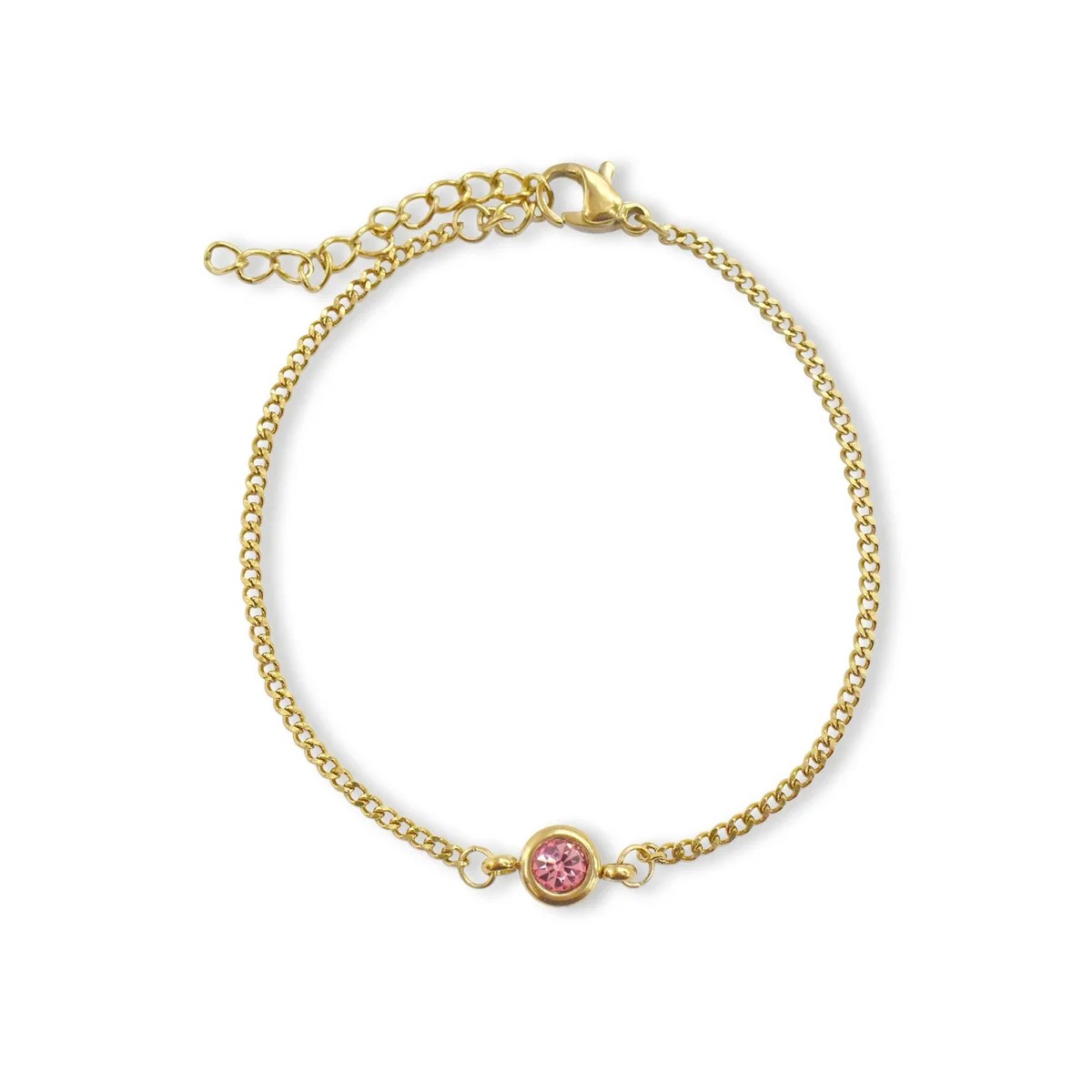
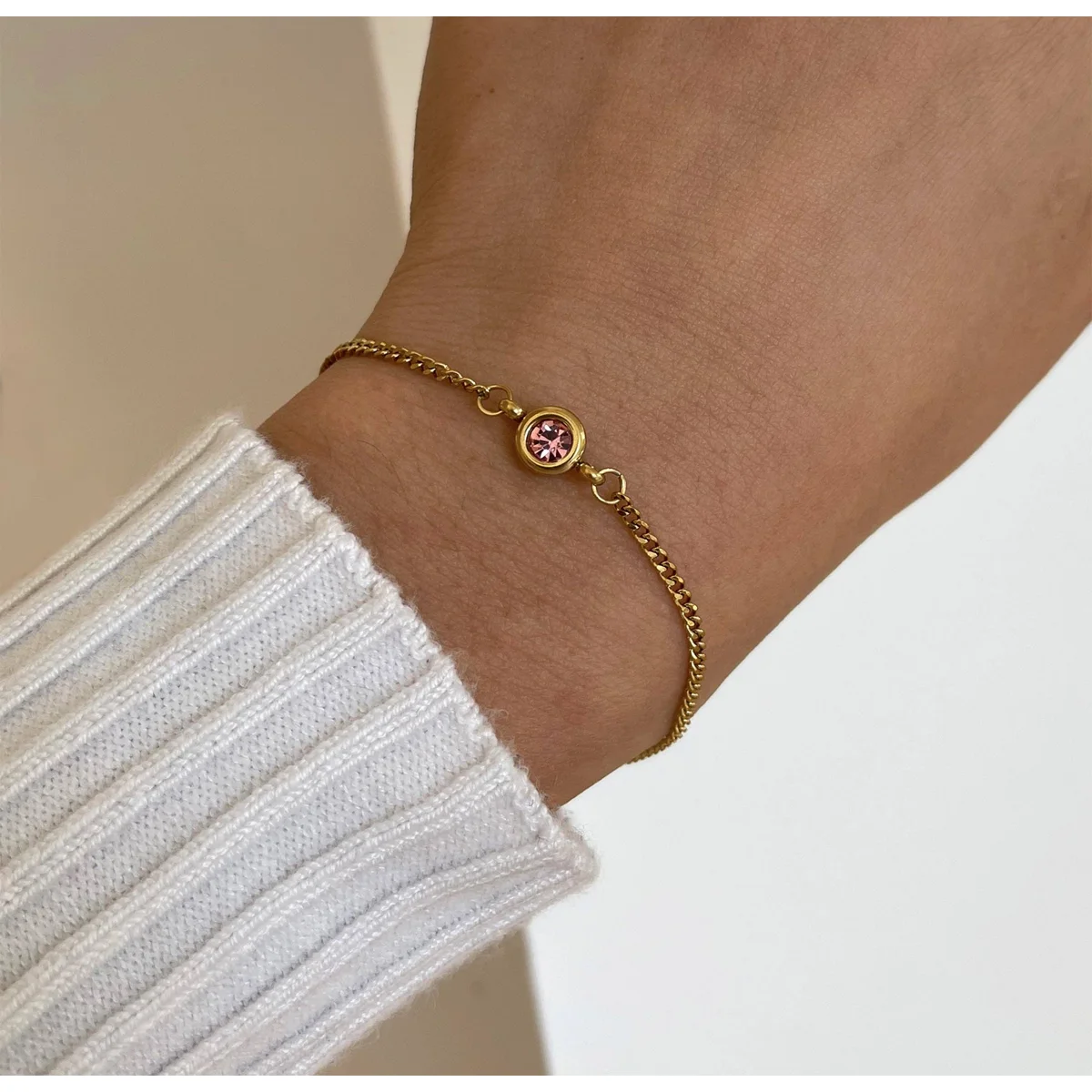
October pieces on the site
All birthstone pieces →Listings that name the month or its stone; whether the stone is natural, lab-grown or simulated is on each product page as the maker states it.
Sources: Jewelers of America modern birthstone list; GIA gem encyclopedia; FTC Jewelry Guides on treatment and lab-growth disclosure. Clasp & Lens does not appraise or grade stones; what a listing says is the supplier's statement.