
Bench terminal
Face shape and frames
Opticians fit frames by contrast: a frame that repeats the face's lines makes them stronger, one that runs against them balances. The six shapes below are the ones used on the shop floor, with the frame shapes that usually sit well and the ones that usually do not. Then the part a website can do that a mirror cannot: the three numbers on the inside of the arm, and what they mean.
Oval
Forehead slightly wider than the chin, soft jaw, face about one and a half times longer than wide. The shape most frames are designed on.
Sits well: Almost any shape in proportion: wayfarer, aviator, round, square. Choose the frame as wide as the face or slightly wider.
Usually not: Frames much wider than the face, which make an oval look small; very narrow lenses on a long oval.
Typical sizes: Lens 50–54 mm for most adults.
Round
Width and length close to equal, full cheeks, soft chin, no strong angles.
Sits well: Angular frames add structure: square, rectangular, wayfarer, cat-eye with a straight brow line, geometric. A frame wider than it is tall lengthens the face.
Usually not: Round and small frames, which repeat the curve; thin wire circles.
Typical sizes: Lens 52–56 mm, lens height under 40 mm.
Square
Strong jaw, broad forehead, width close to length, angular lines.
Sits well: Round and oval frames soften the angles; aviators, round metal, rounded rectangles, thin rims. Frames slightly wider than the face.
Usually not: Boxy square frames and sharp geometric shapes, which double the angles.
Typical sizes: Lens 52–58 mm; a taller lens suits a deep face.
Heart
Wide forehead and cheekbones narrowing to a pointed chin; the widest line is at the eyes.
Sits well: Frames wider at the bottom or with a light top: aviators, round, rimless, cat-eye with soft points, frames with a low-set bridge. Thin rims and light colors keep the top from dominating.
Usually not: Heavy top bars, strong browlines and very wide frames that widen the forehead further.
Typical sizes: Lens 50–54 mm; a frame no wider than the forehead.
Oblong (rectangle)
Longer than wide, straight sides, high forehead; sometimes a long nose.
Sits well: Tall lenses shorten the face: oversized, square with depth, wayfarer, round with height, decorative temples that add width. A low bridge shortens a long nose.
Usually not: Narrow, short lenses that leave face above and below; small round frames.
Typical sizes: Lens height 40 mm or more; lens width 54–58 mm.
Diamond
Narrow forehead and chin, wide high cheekbones, the rarest shape.
Sits well: Frames that add width at the brow and soften the cheekbones: cat-eye, oval, rimless, browline, frames with detail on the top edge.
Usually not: Narrow frames and anything that sits exactly on the cheekbones' width.
Typical sizes: Lens 50–54 mm with a strong upper rim.
Reading a frame size
The numbers printed inside one arm read 52 □ 18 140: lens width (52 mm, the width of one lens at its widest), bridge width (18 mm, the gap between the lenses at the nose) and temple length (140 mm, the arm). Measure a pair you like and shop within 2 mm of its lens width and bridge. Total frame width is about twice the lens plus the bridge plus the rims, and should match the width of your face at the temples; a frame that sits wider than the face slides, one narrower pinches. A low-bridge (Asian) fit has deeper nose pads and a lower bridge for faces where standard frames sit on the cheeks.
Which lens for which use
Driving: grey or brown, polarized, UV400, not darker than category 3. Water and snow: polarized is the difference, wraparound shape stops side light. Running and cycling: polycarbonate or nylon lens for impact, a frame that grips. Everyday: any UV400 lens in a shape from the list above; dark does not mean protective. Reading in the sun: sun readers with the same strength as your readers. Today's UV and glare in your city → · Lens materials →
Sunglasses in the shop
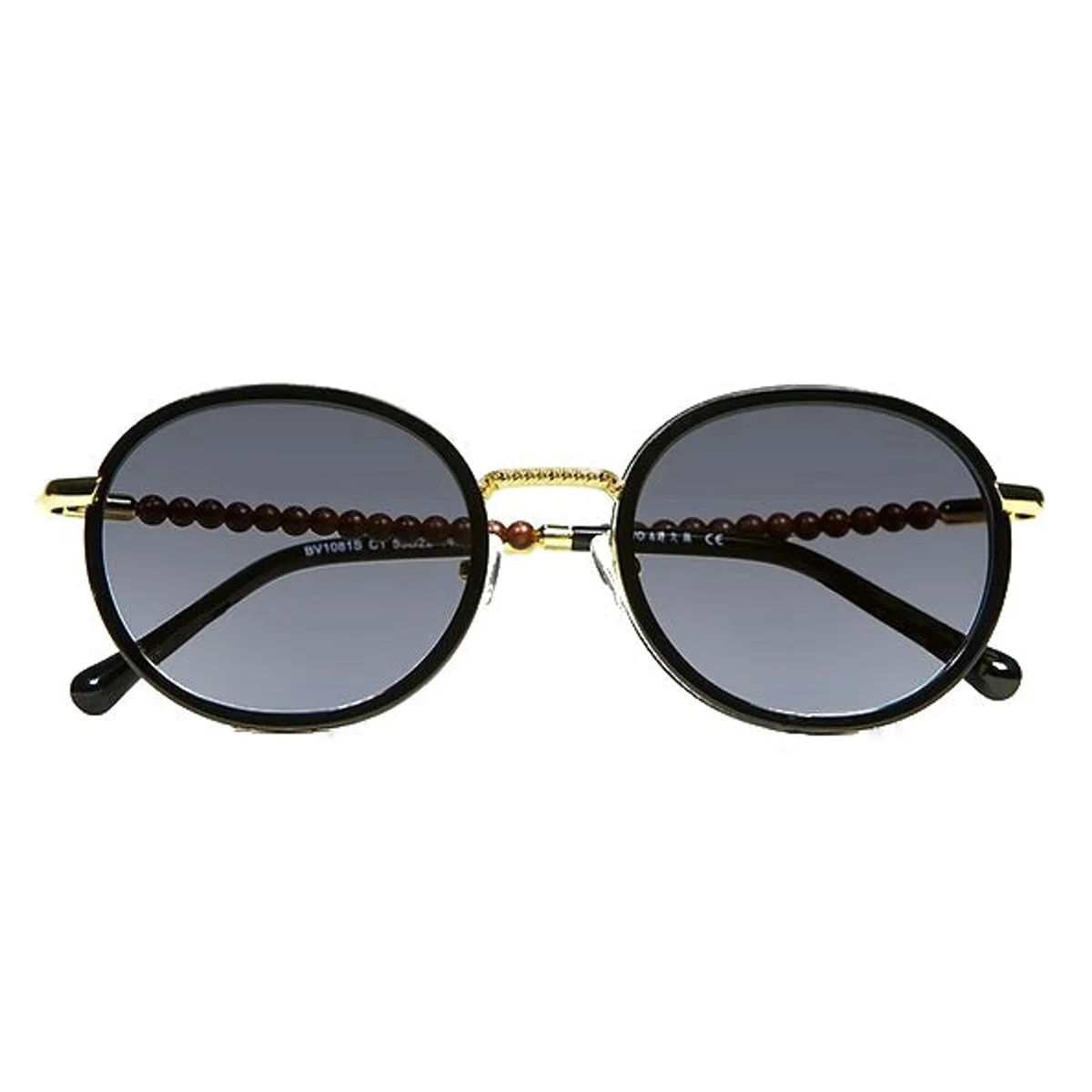
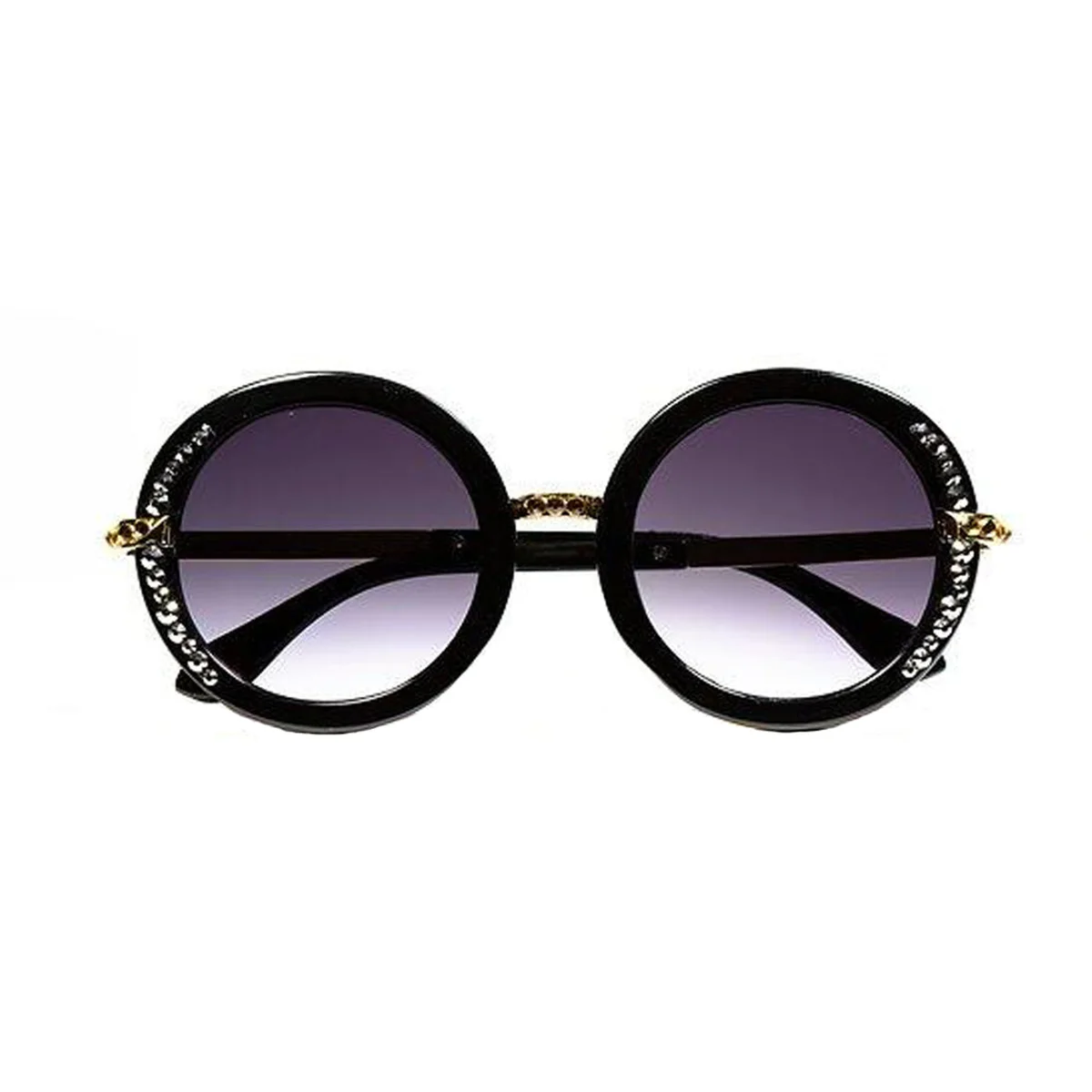
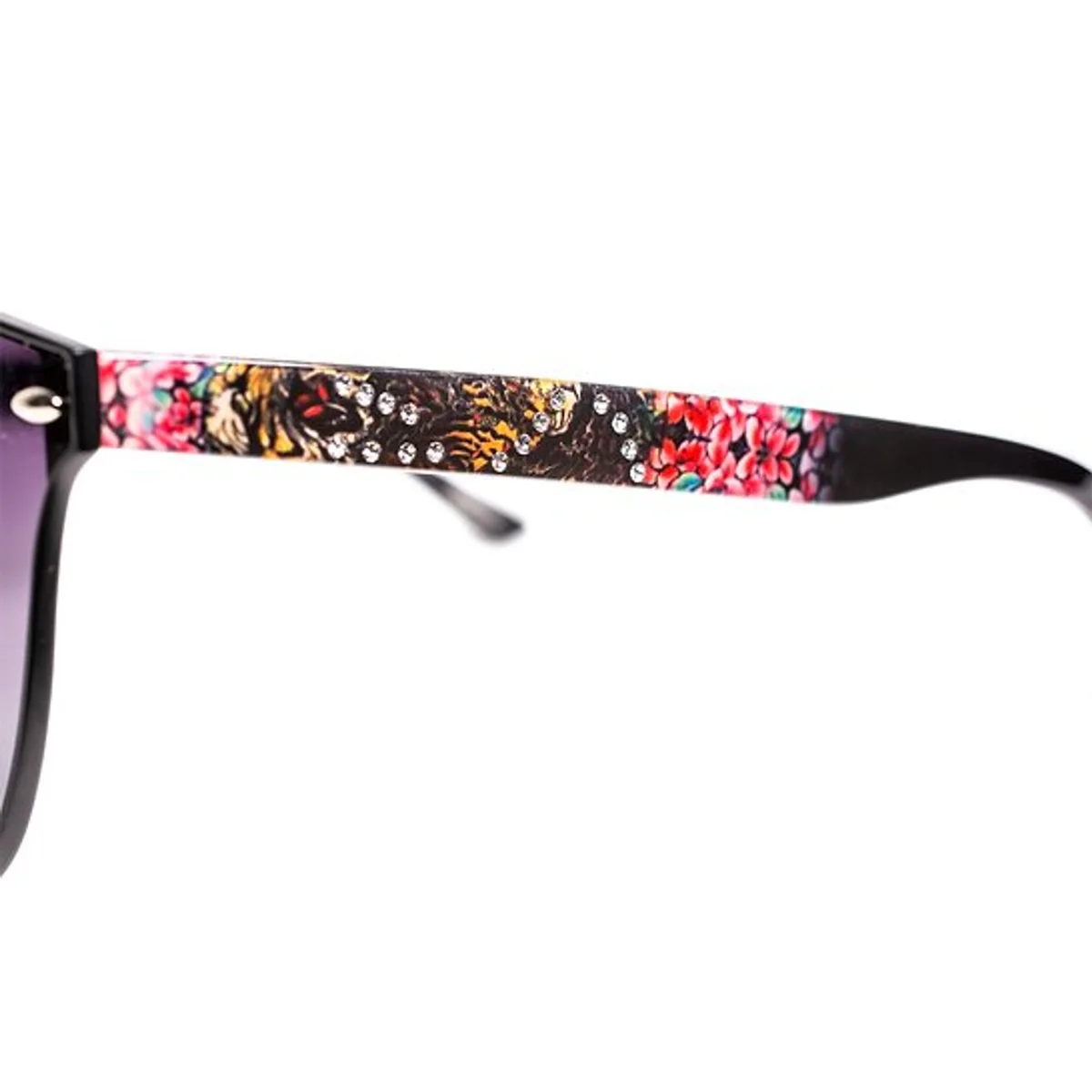
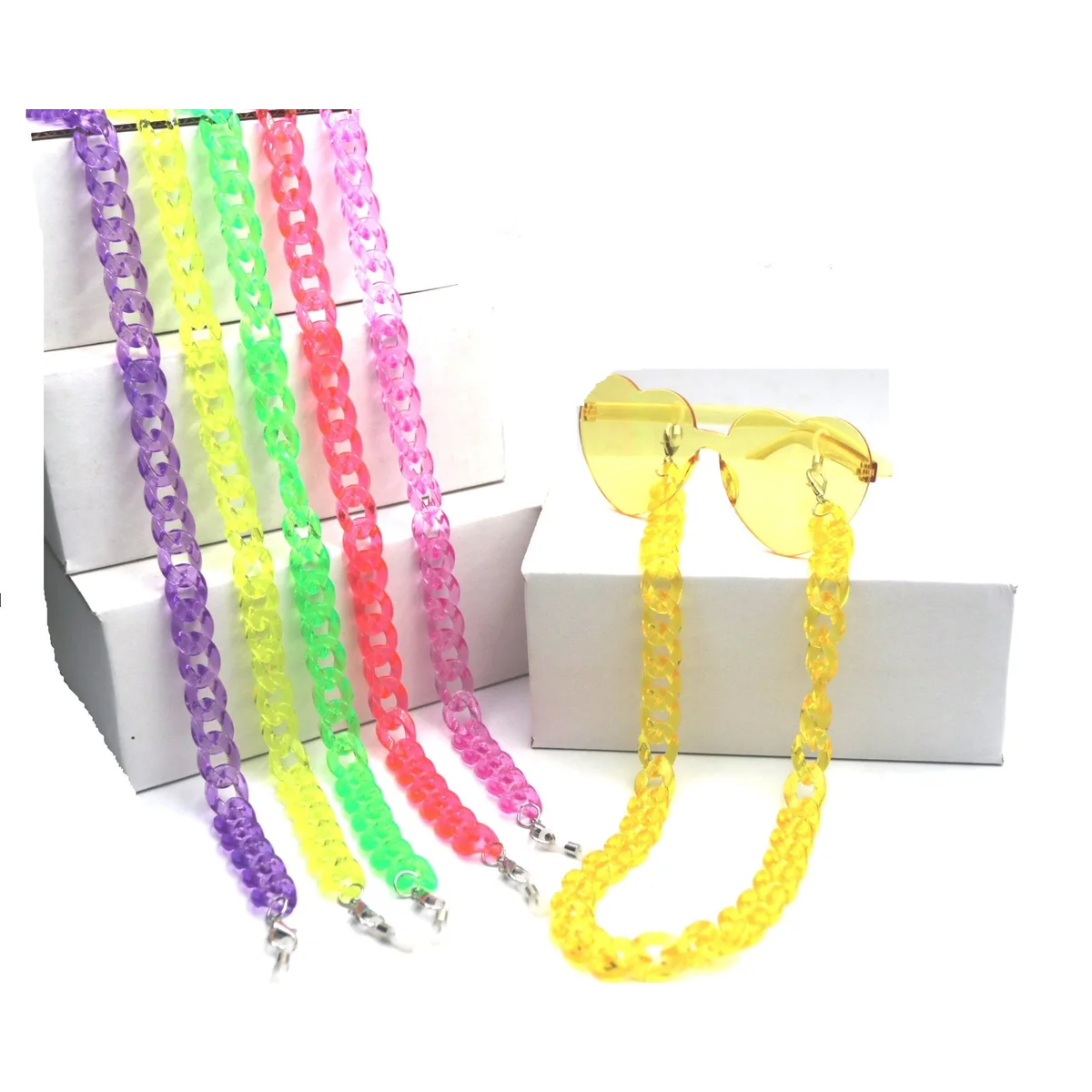
All sunglasses →Each listing states the lens material, UV rating and whether it is polarized, as the maker gives them.
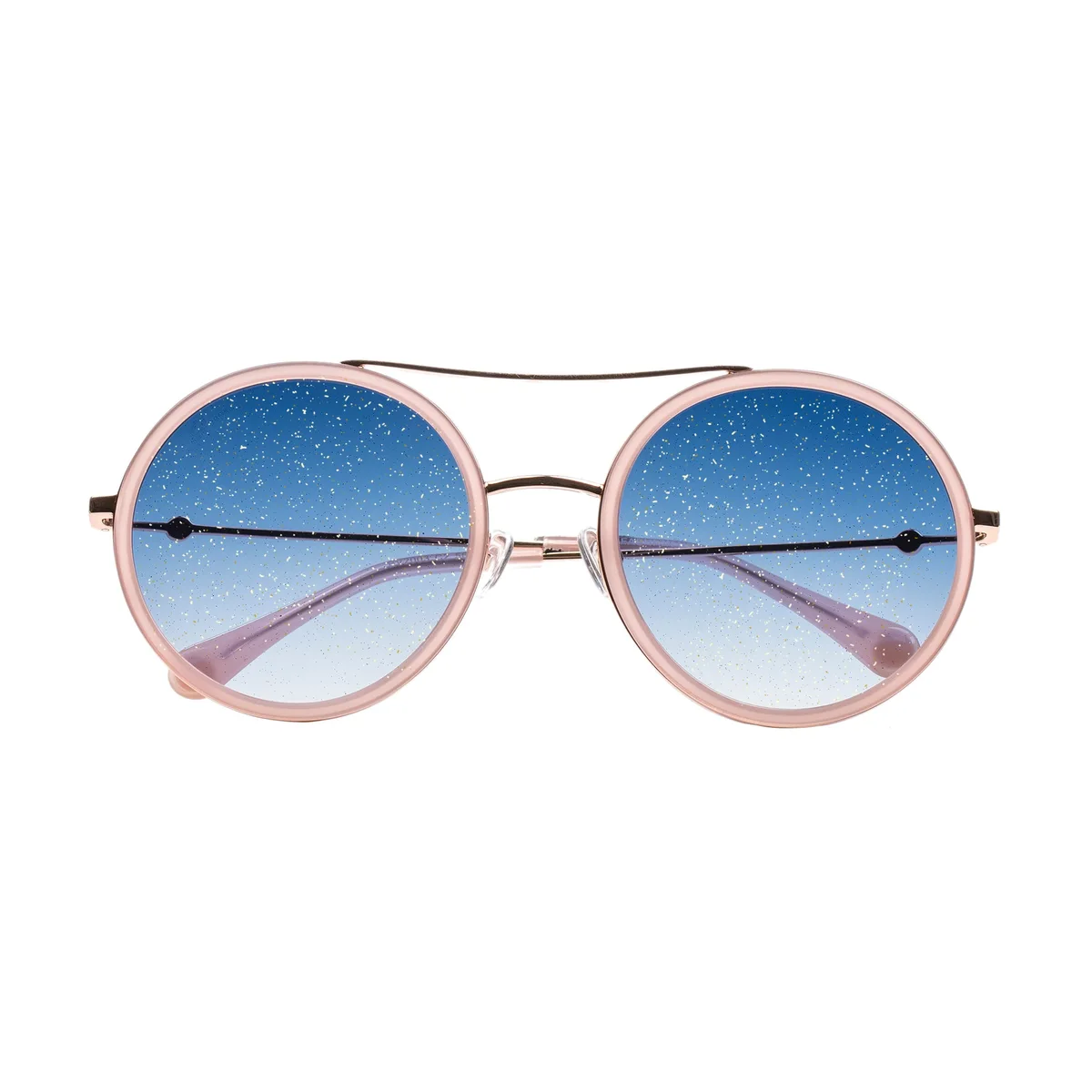 Made in the USA

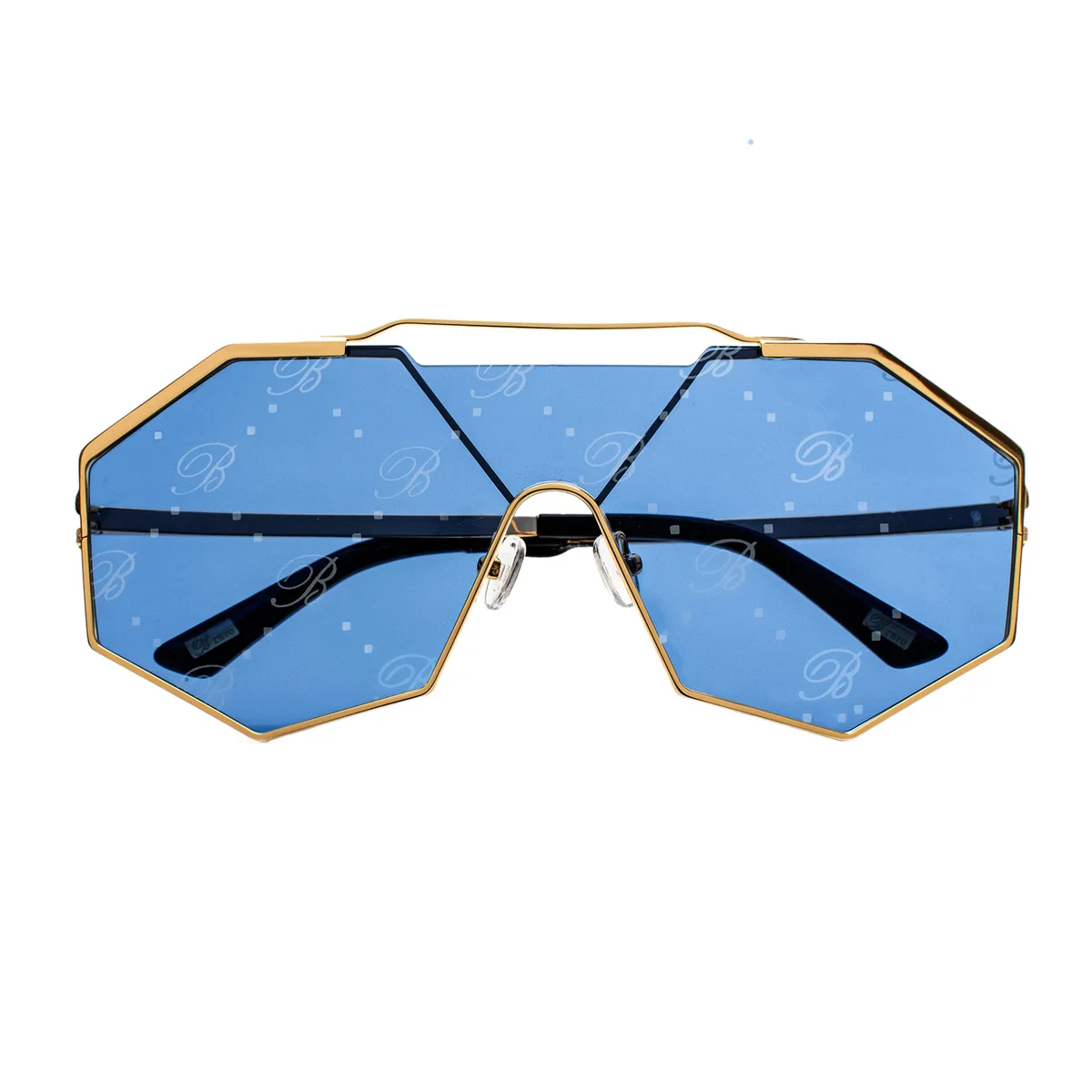 Made in the USA
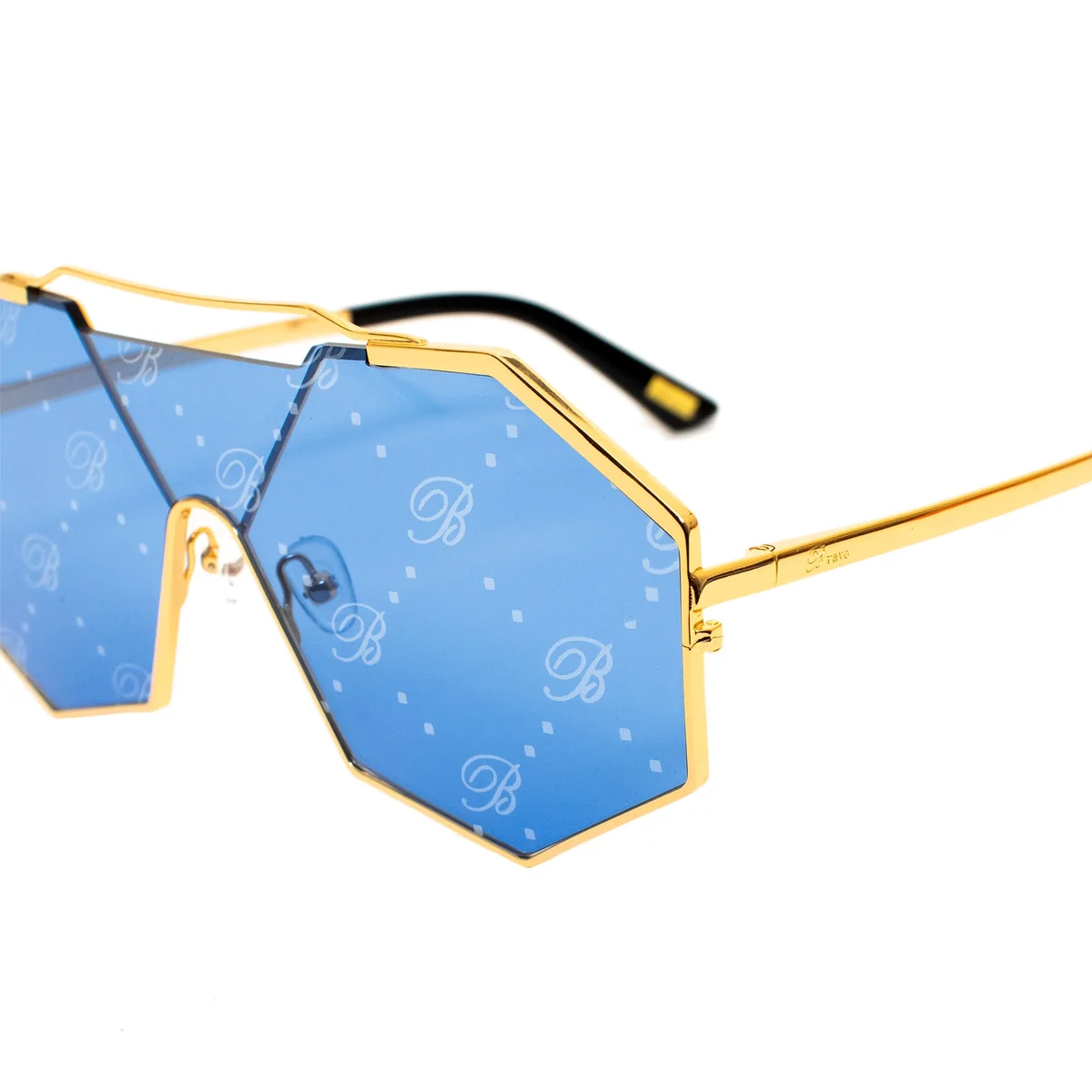
 Made in the USA
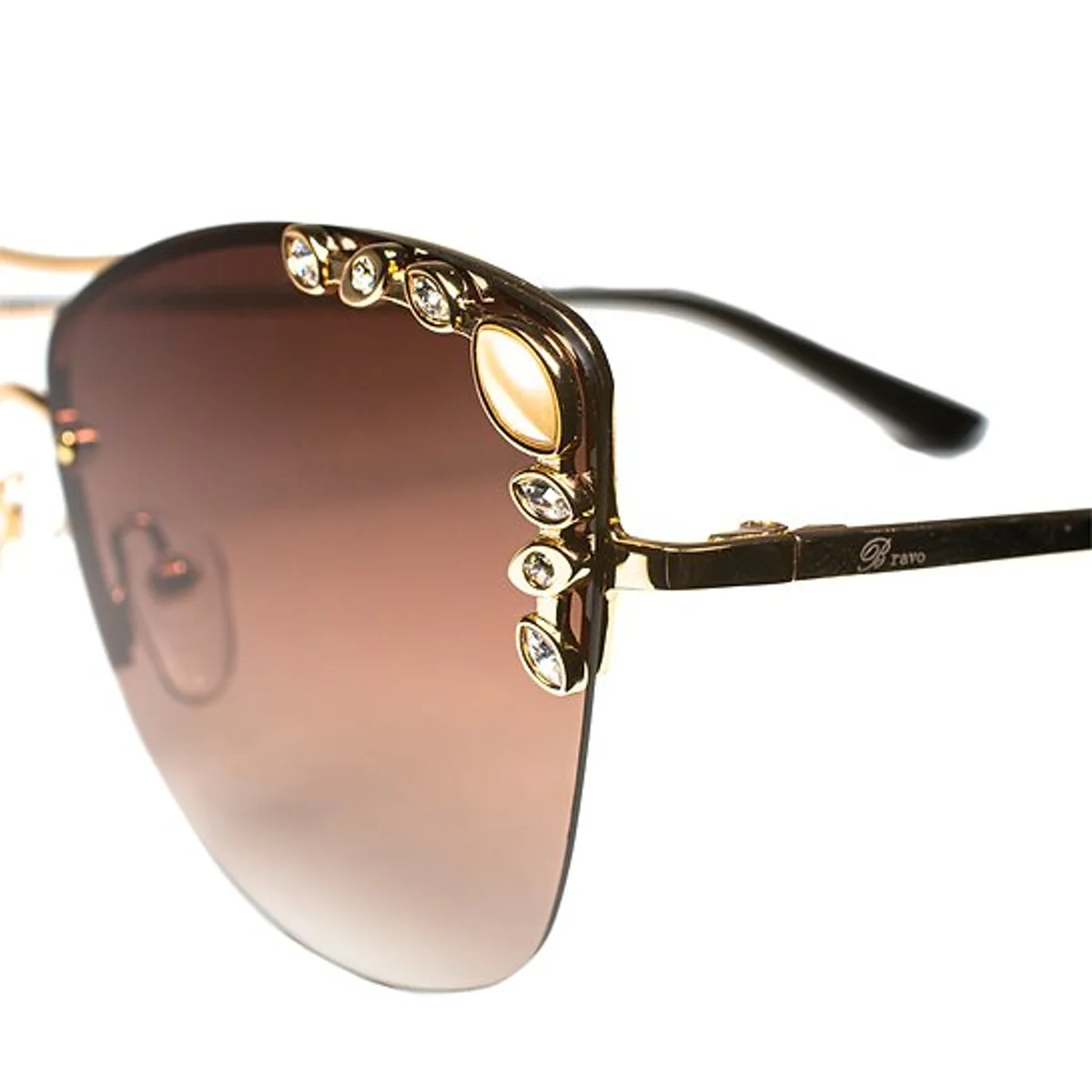
 Made in the USA

 Made in the USA

 Made in the USA
 Made in the USA

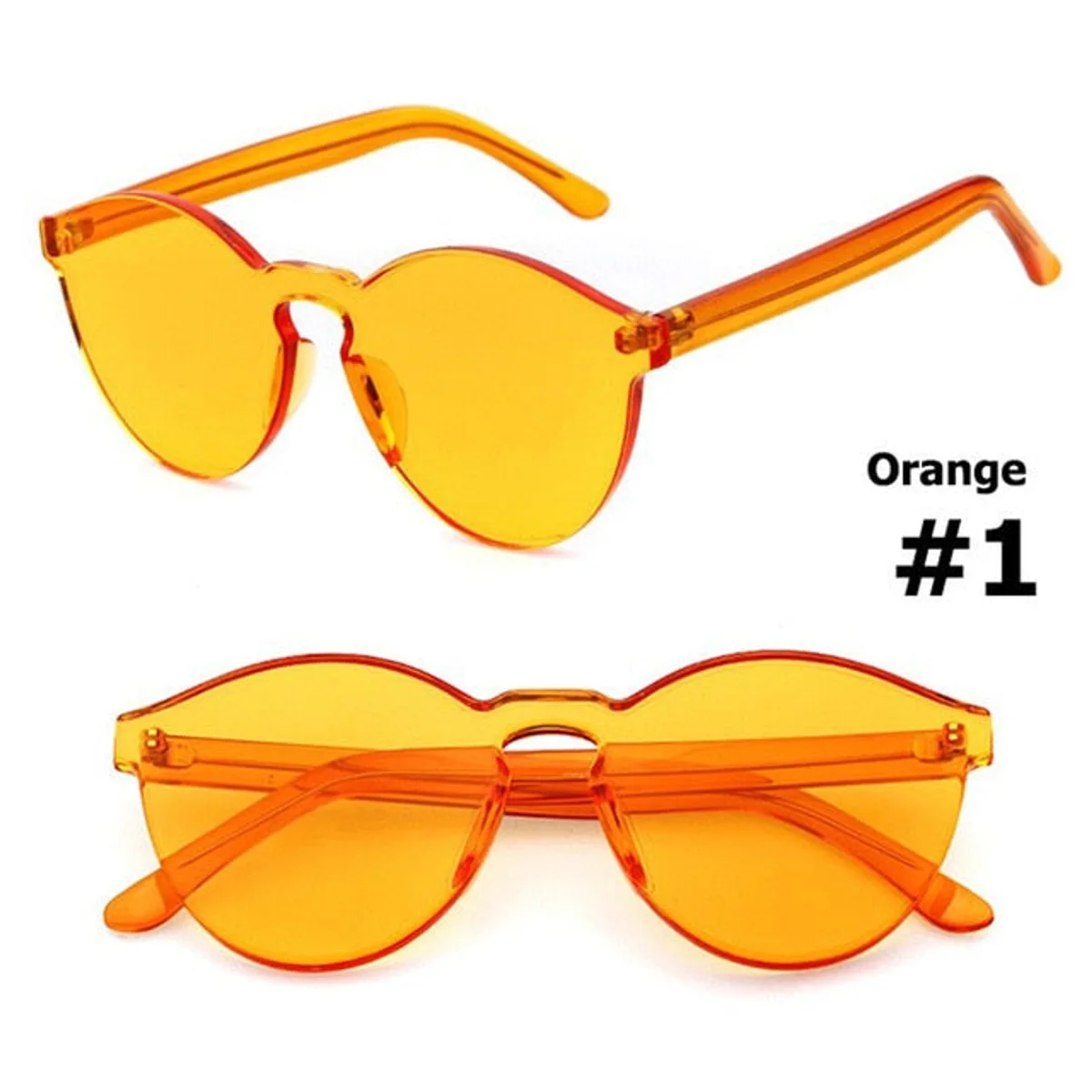 Made in the USA
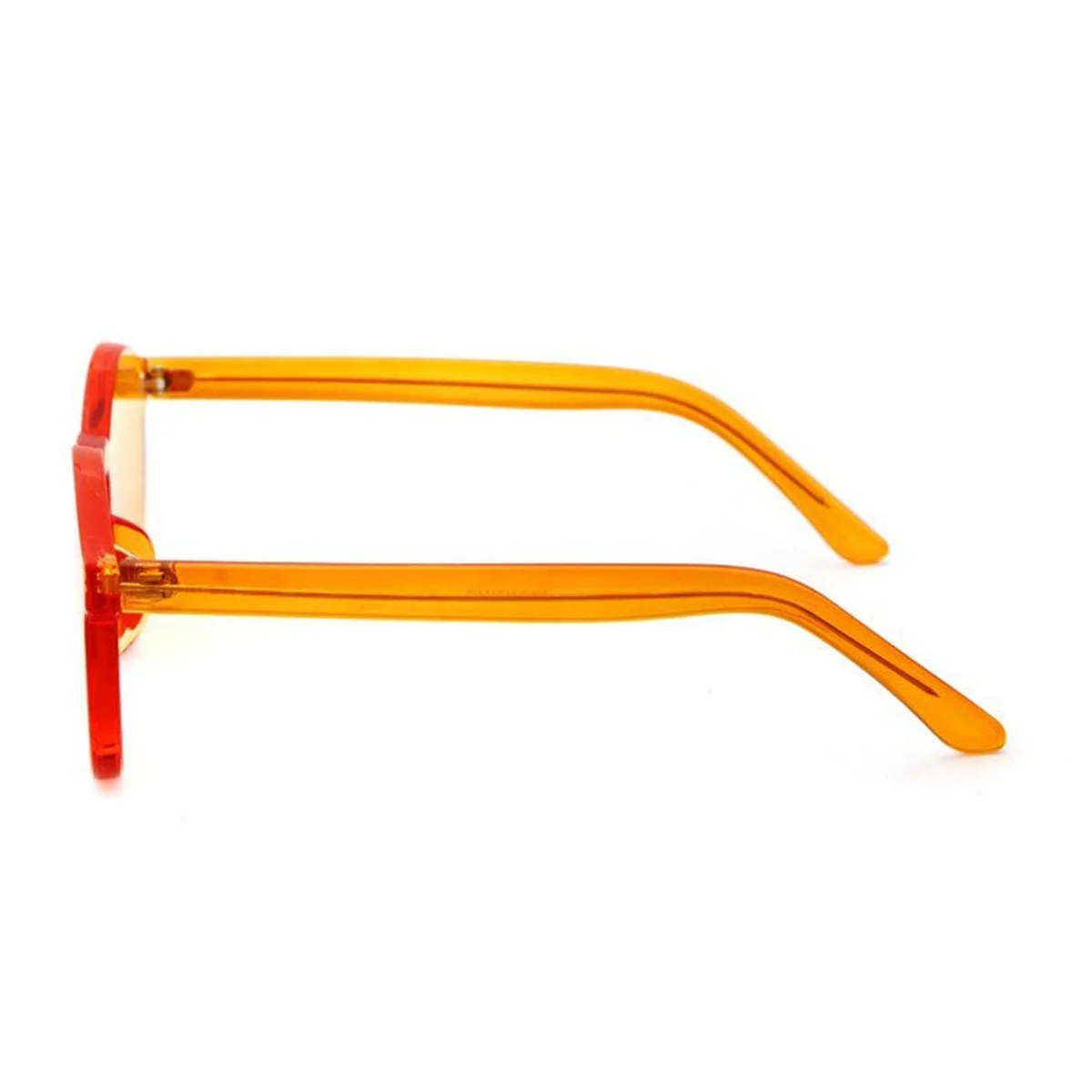
Fit guidance follows what opticians use in the shop and the American Optometric Association's advice on UV; it is a starting point, not a rule. Frame sizes are the maker's measurements. Clasp & Lens sells no prescription eyewear.