
Materials glossary / Lab-grown and simulant
Lab-grown diamond
On the label: Lab-grown diamond · Lab-grown and simulant · a rule or standard applies
What it is
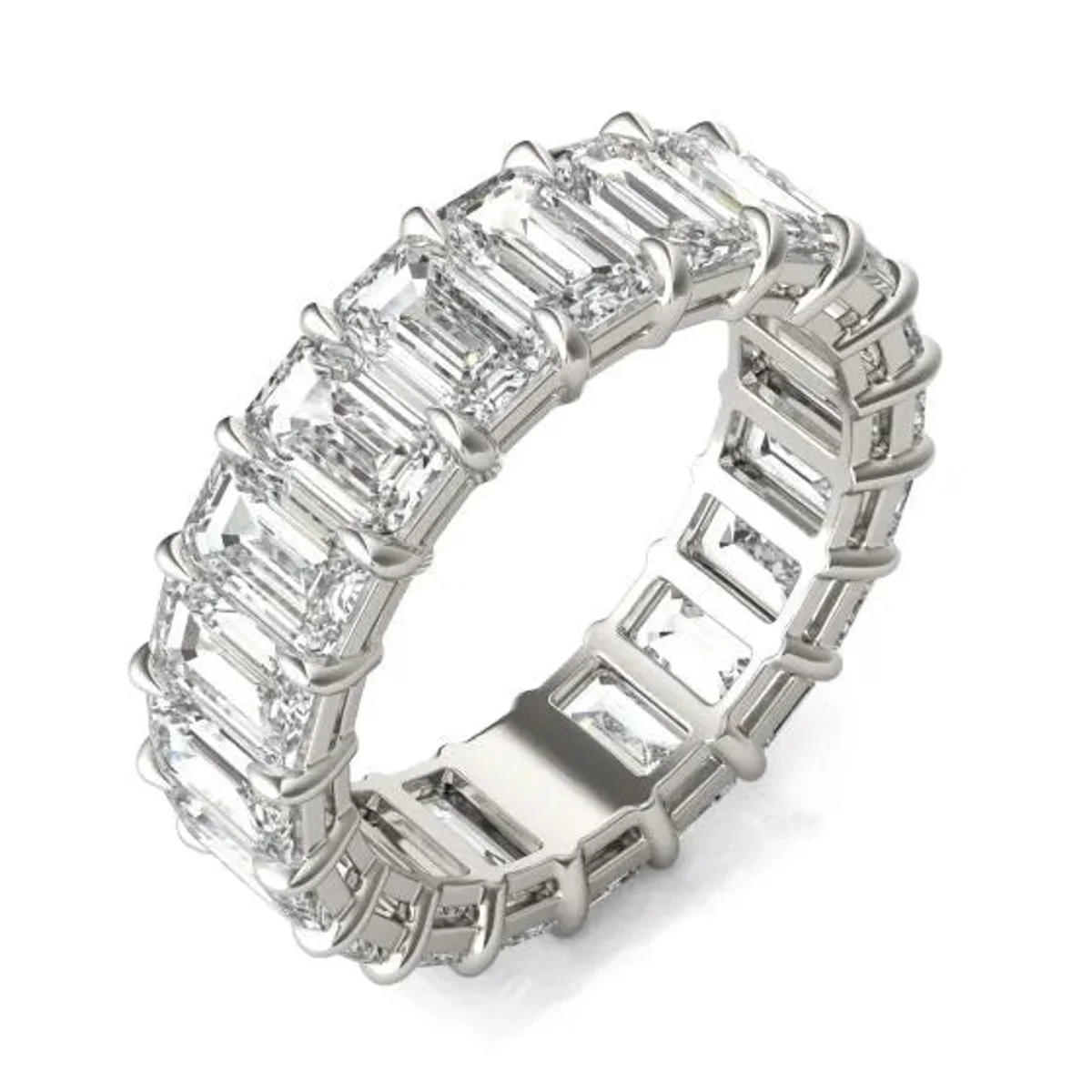
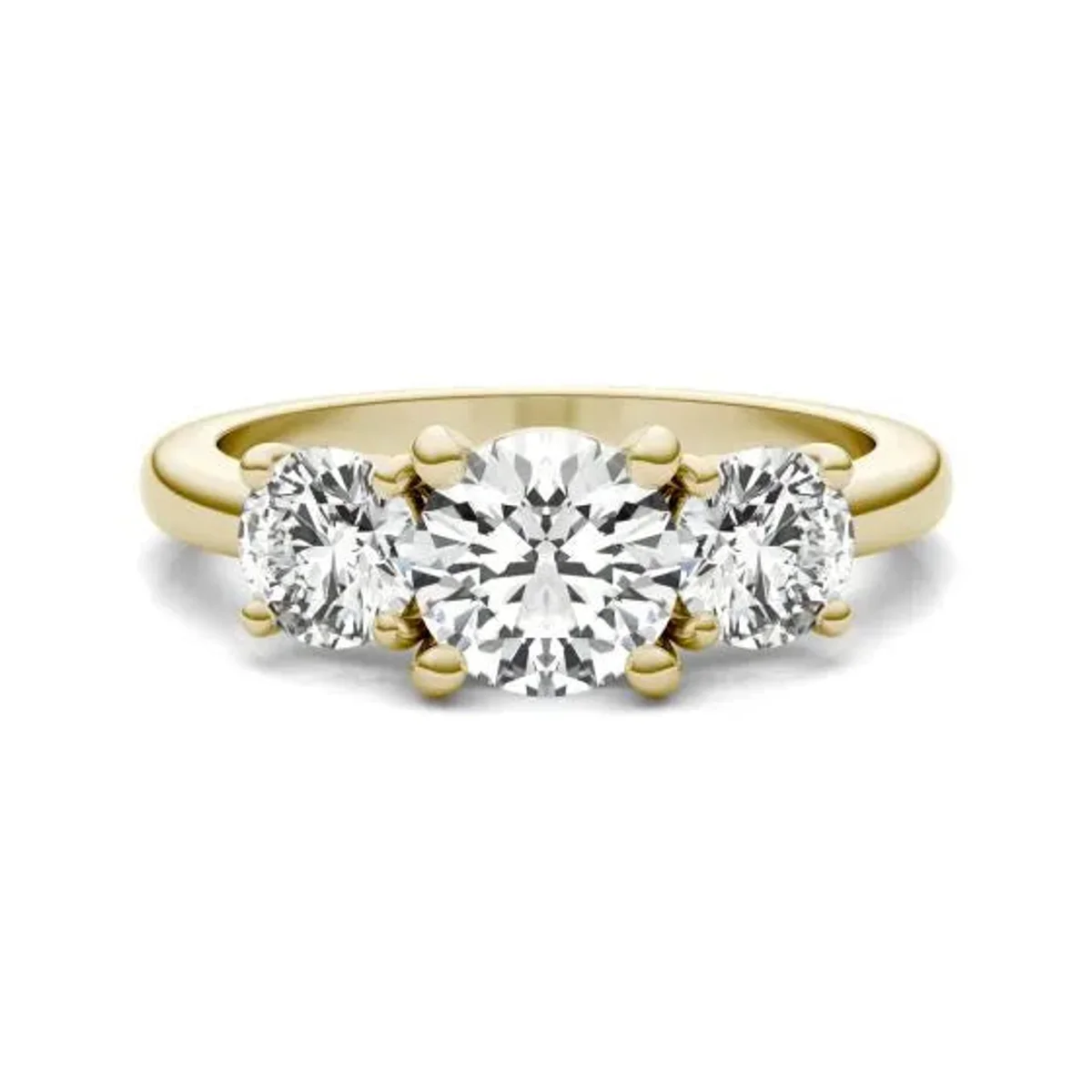
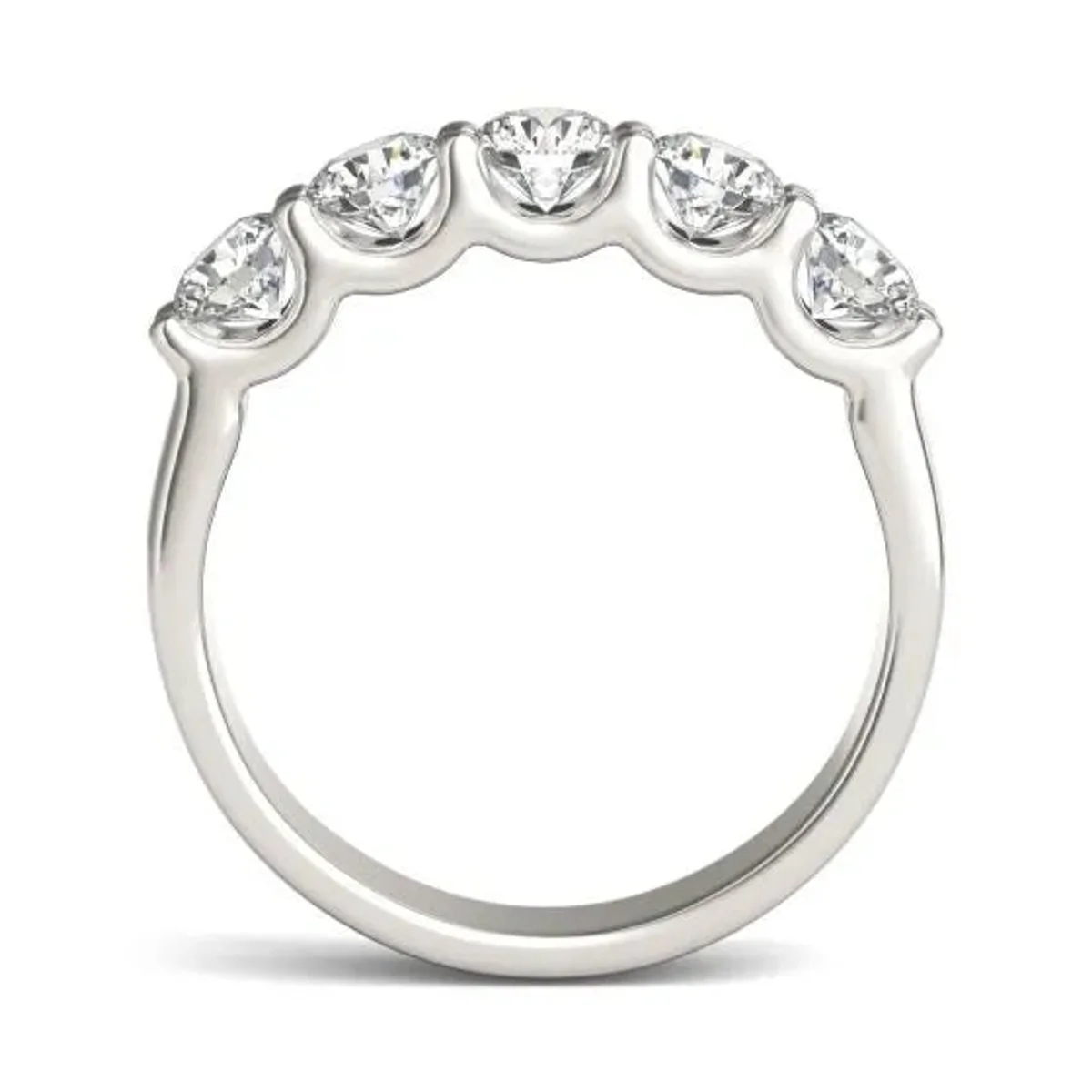
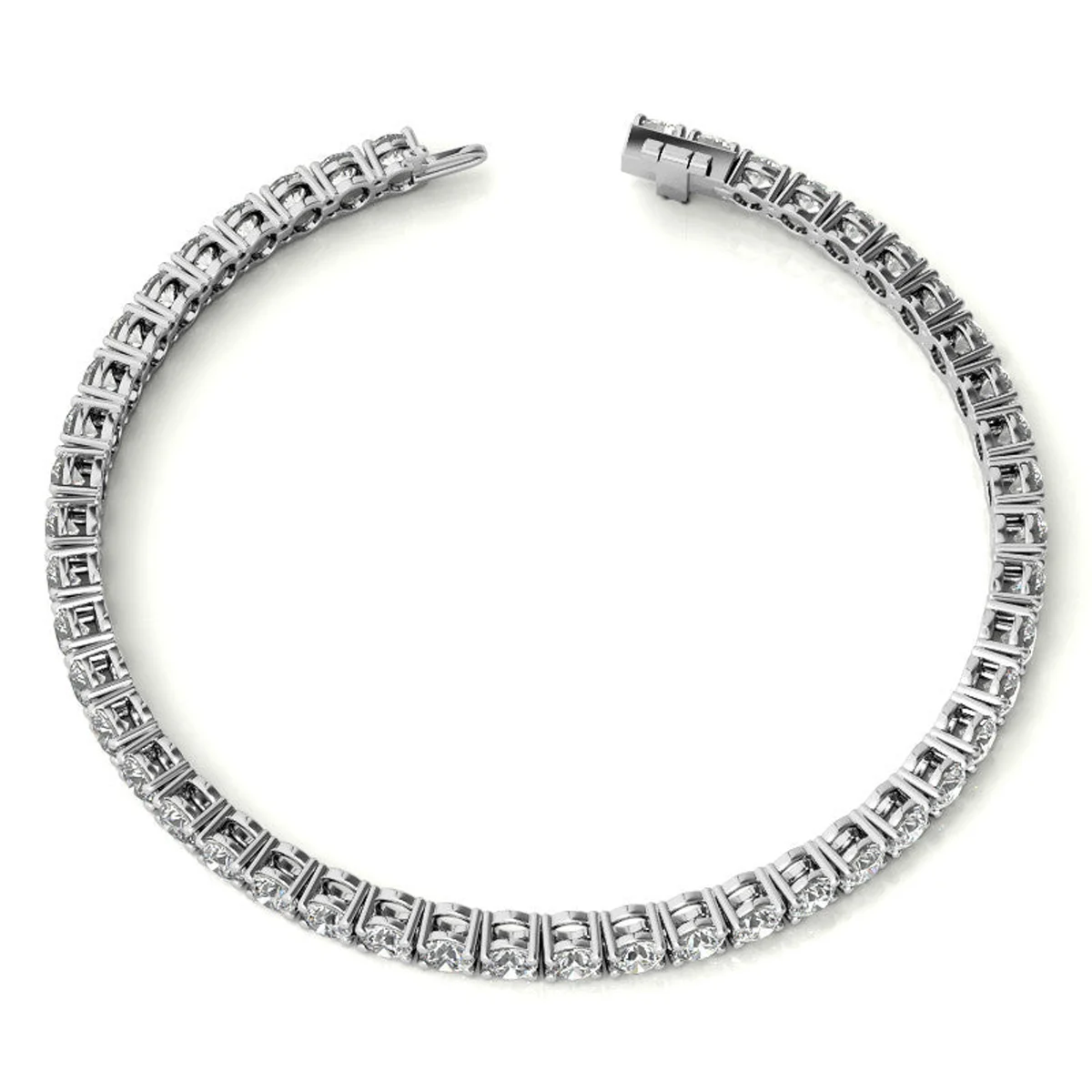
Crystalline carbon grown by HPHT or CVD methods; chemically and optically the same as mined diamond, Mohs 10, and told apart only with lab instruments. The FTC requires sellers to say 'lab-grown', 'laboratory-created' or similar next to the word diamond.
Lab-grown and simulants: Lab-grown stones have the same chemistry as the natural stone; simulants only look like it. Both are legal to sell when described as such.
Wikidata: Diamond produced in an artificial process, as opposed to natural diamonds, which are created by geological processes. Q751479 →
In the research
No PubMed papers mention this material with jewelry, allergy or eyewear; that is usual for findings and trade terms.
Pieces whose listing names it
10 on the siteMatched from the words in the supplier's listing; the full material line is on each product page.
 Made in the USA
 Made in the USA
 Made in the USA
 Made in the USA
 Made in the USA

 Made in the USA
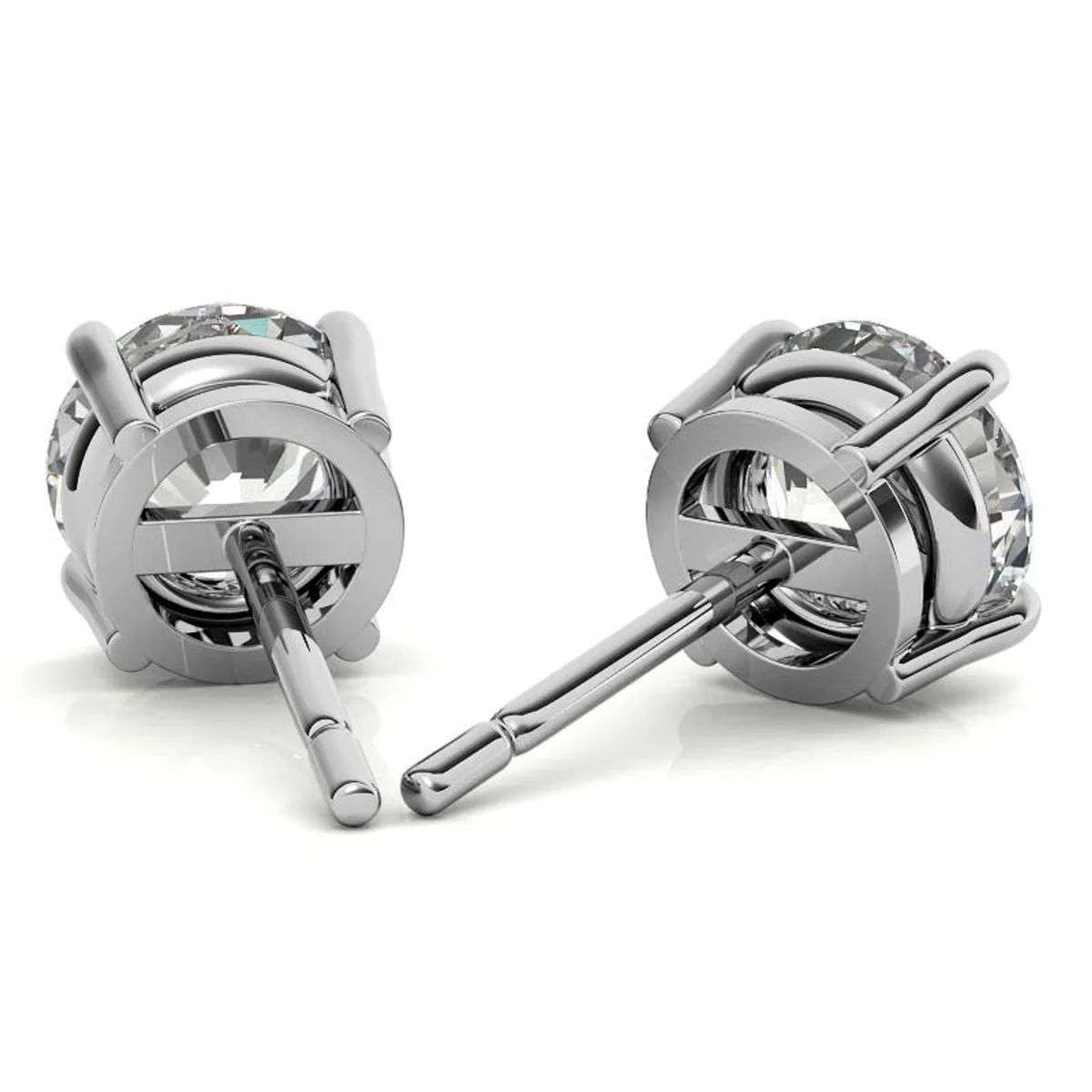
 Made in the USA
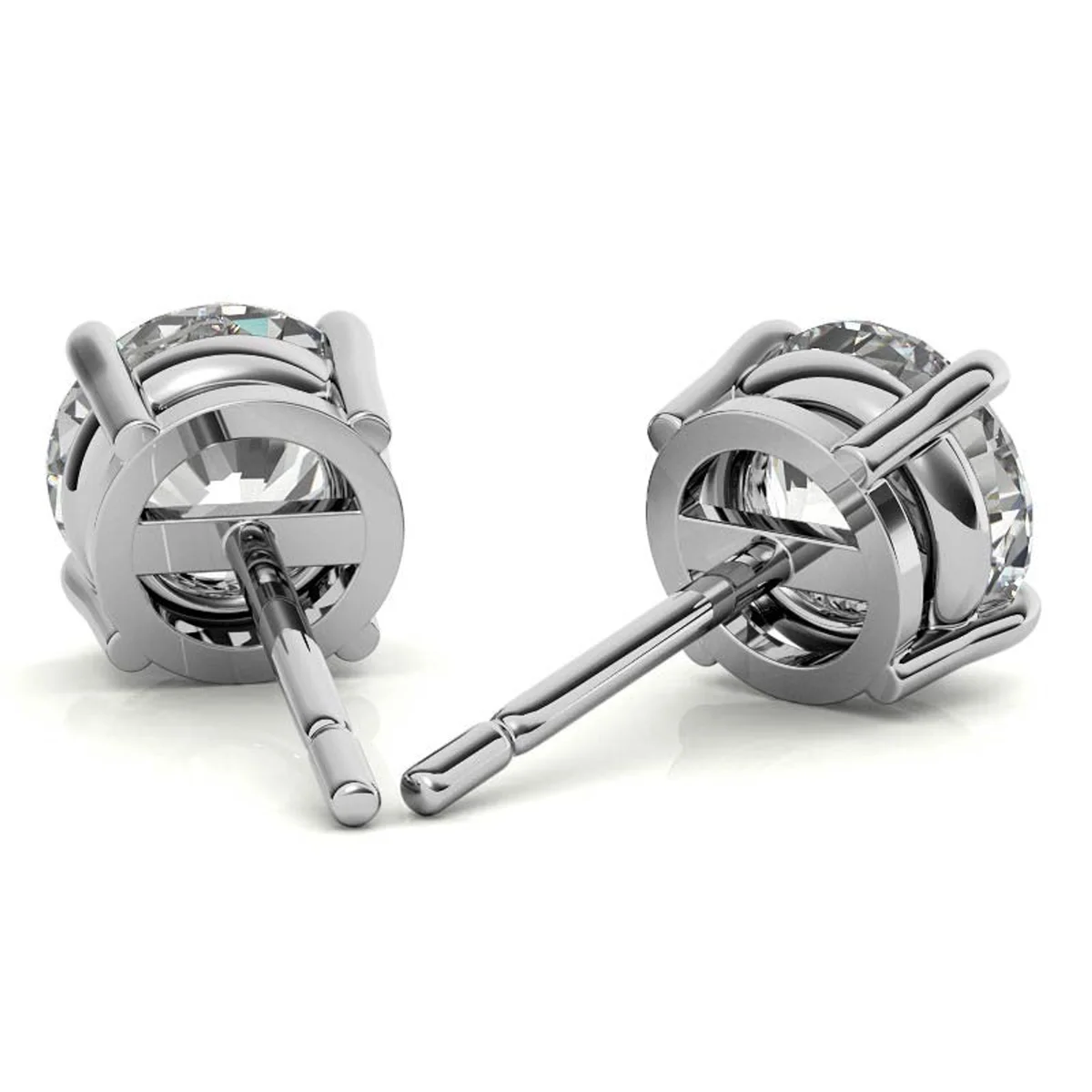
 Made in the USA

Other lab-grown and simulants
Clasp & Lens describes materials from the public record and does not appraise, grade or test pieces; what a listing states is the supplier's statement. If a piece causes a rash, take it off; a reaction that spreads or blisters is a doctor's question, and sunglasses are no substitute for impact-rated eye protection where that is required.