
Materials glossary / Lens material
Polycarbonate lens
On the label: Polycarbonate · Lens material
What it is
A tough, light plastic lens that blocks UV to 400 nm by itself and passes impact tests, which is why it is the standard for sports, safety and children's eyewear. Scratches more easily than glass and needs a hard coat.
Lens materials: What a lens is made of decides its weight, clarity, impact resistance and how it takes a coating; UV blocking is a property of the material and its additives, not the tint.
Wikidata: Family of polymers. Q62246 →
In the research
208 PubMed papers mention it with jewelry, allergy, eyewear or UV; the three most recent:
- Polymeric Materials for Ophthalmic Lenses: A Systematic Review on Structure, Properties, Manufacturing and Sustainability · Molecules (Basel, Switzerland), 2026
- Photoinduced Redox Initiation System for Delayed-Onset Radical UV-Curable Adhesives on Opaque Substrates · ACS macro letters, 2026
- Recycling of polycarbonate from optical lens manufacturing waste via solvent-targeted recovery and precipitation: A process feasibility and sustainability assessment · Waste management (New York, N.Y.), 2027
A paper is a paper, not a verdict: titles are listed so you can read them, and a study on one fabric or one filter says little about the piece in your hand.
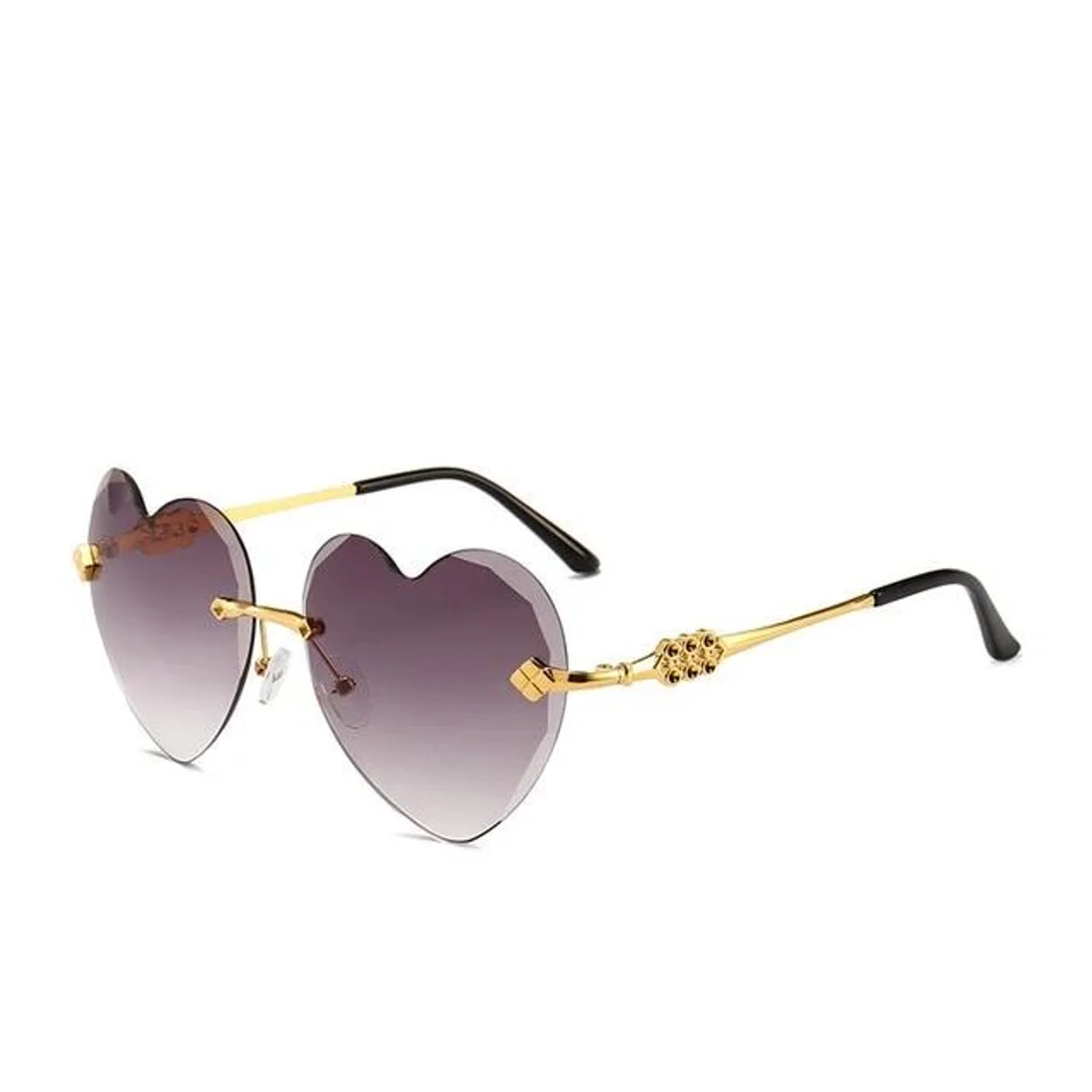
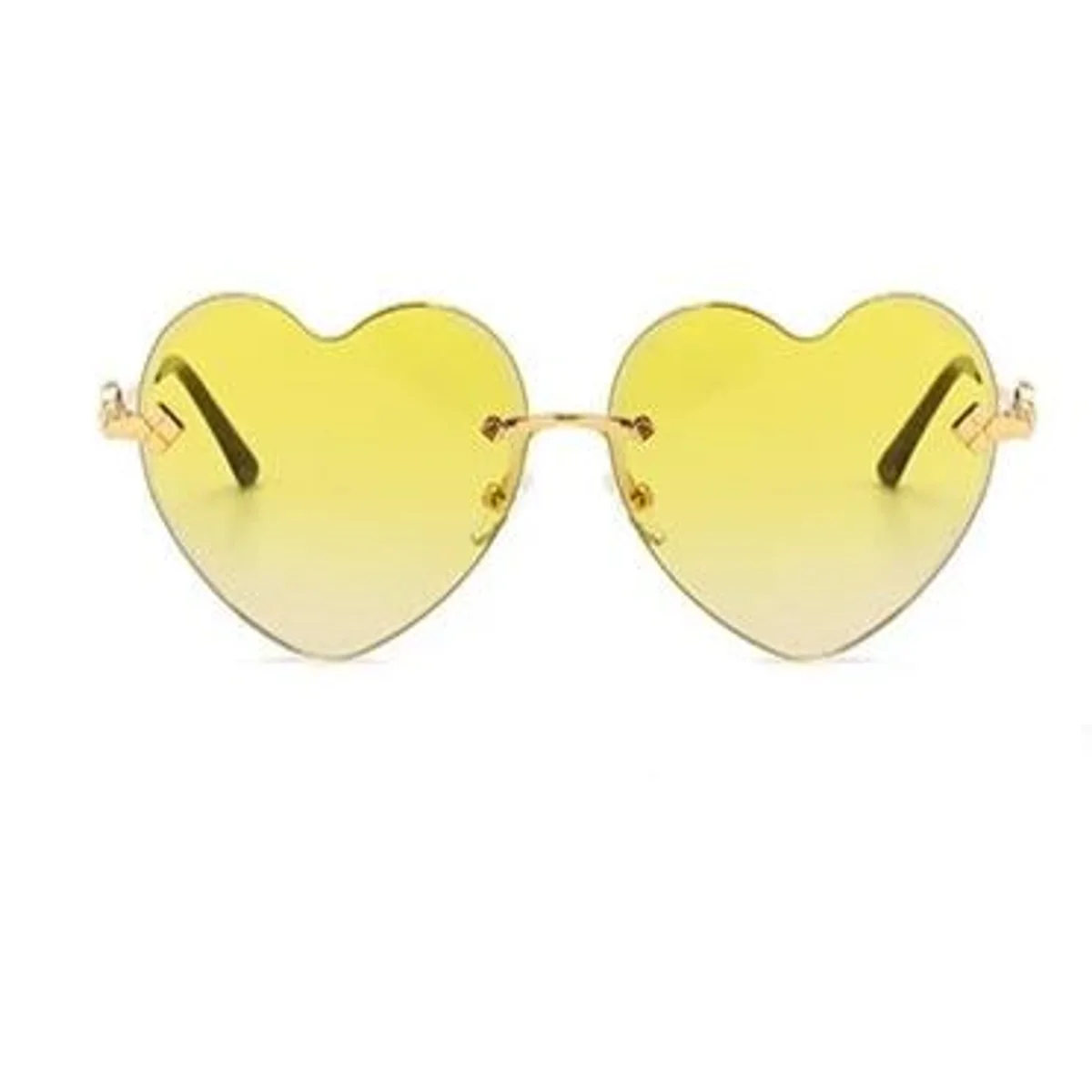
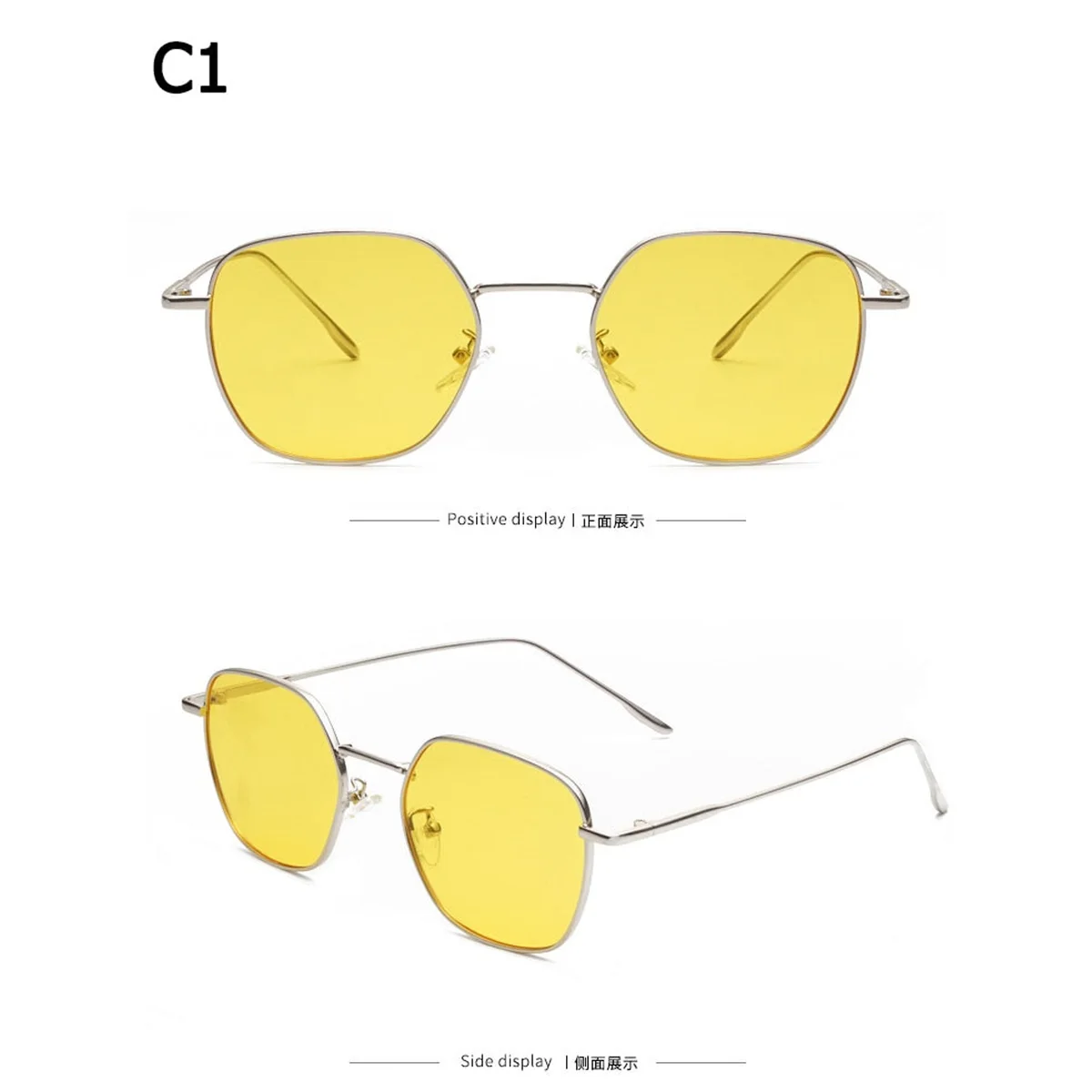
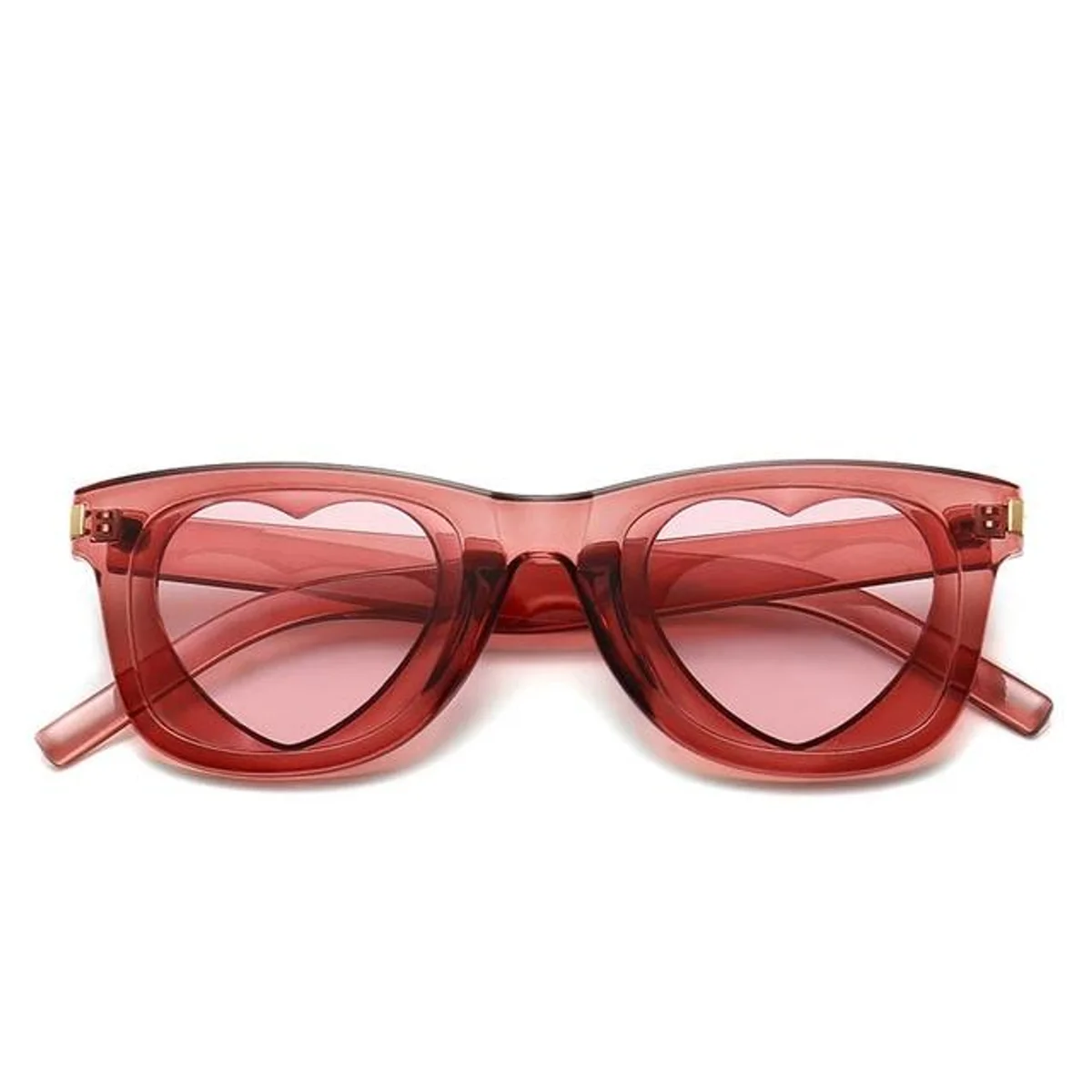
Pieces whose listing names it
17 on the siteMatched from the words in the supplier's listing; the full material line is on each product page.
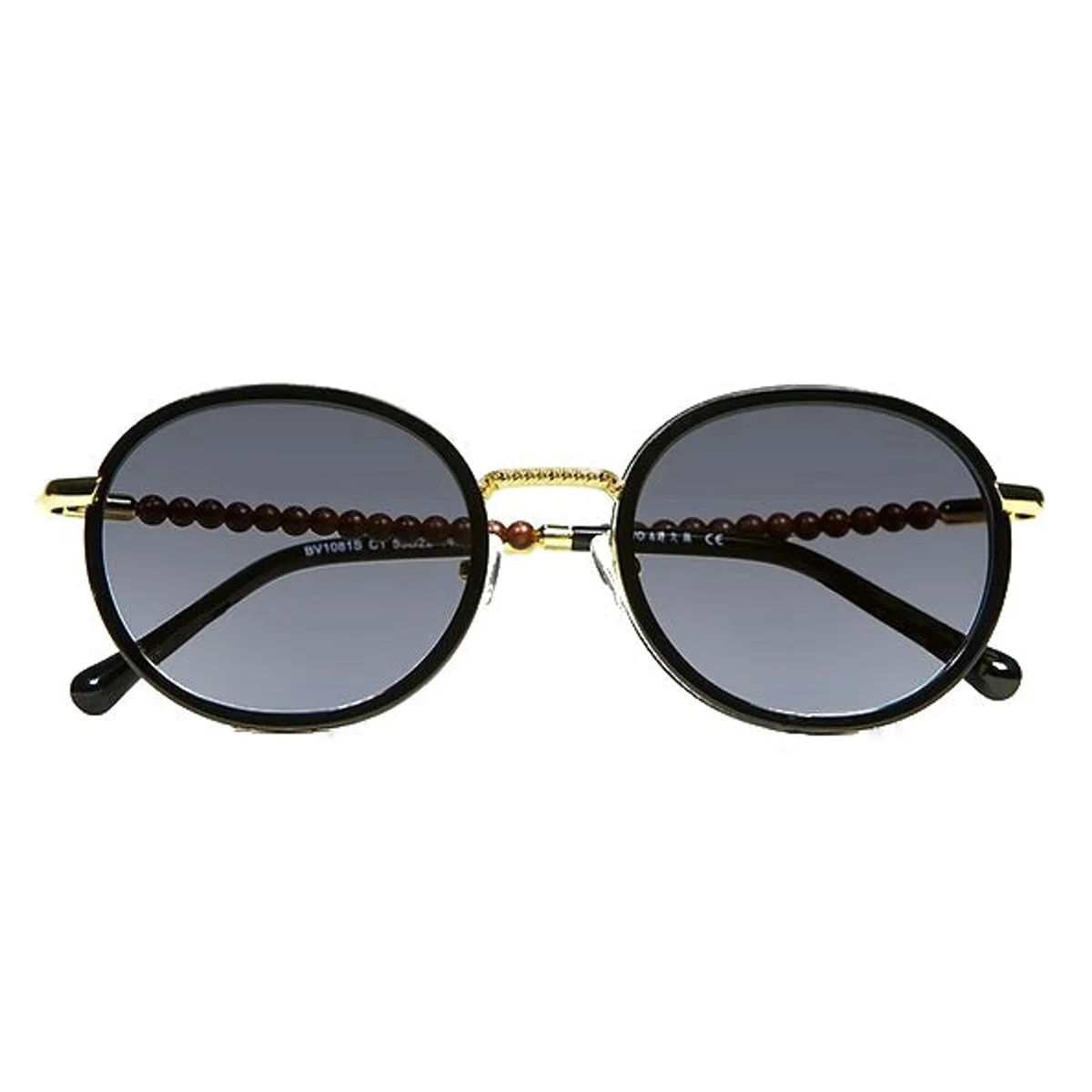 Made in the USA

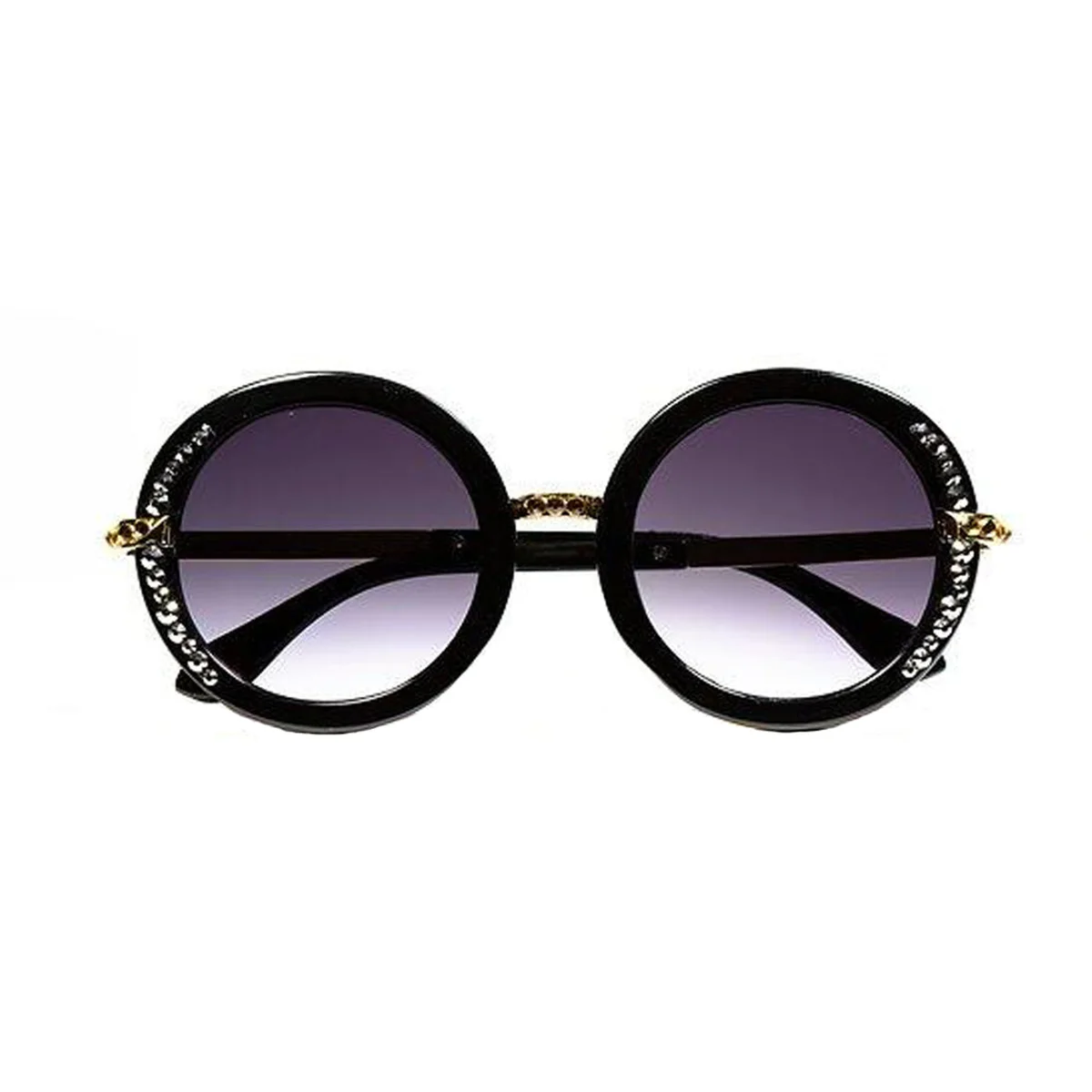 Made in the USA

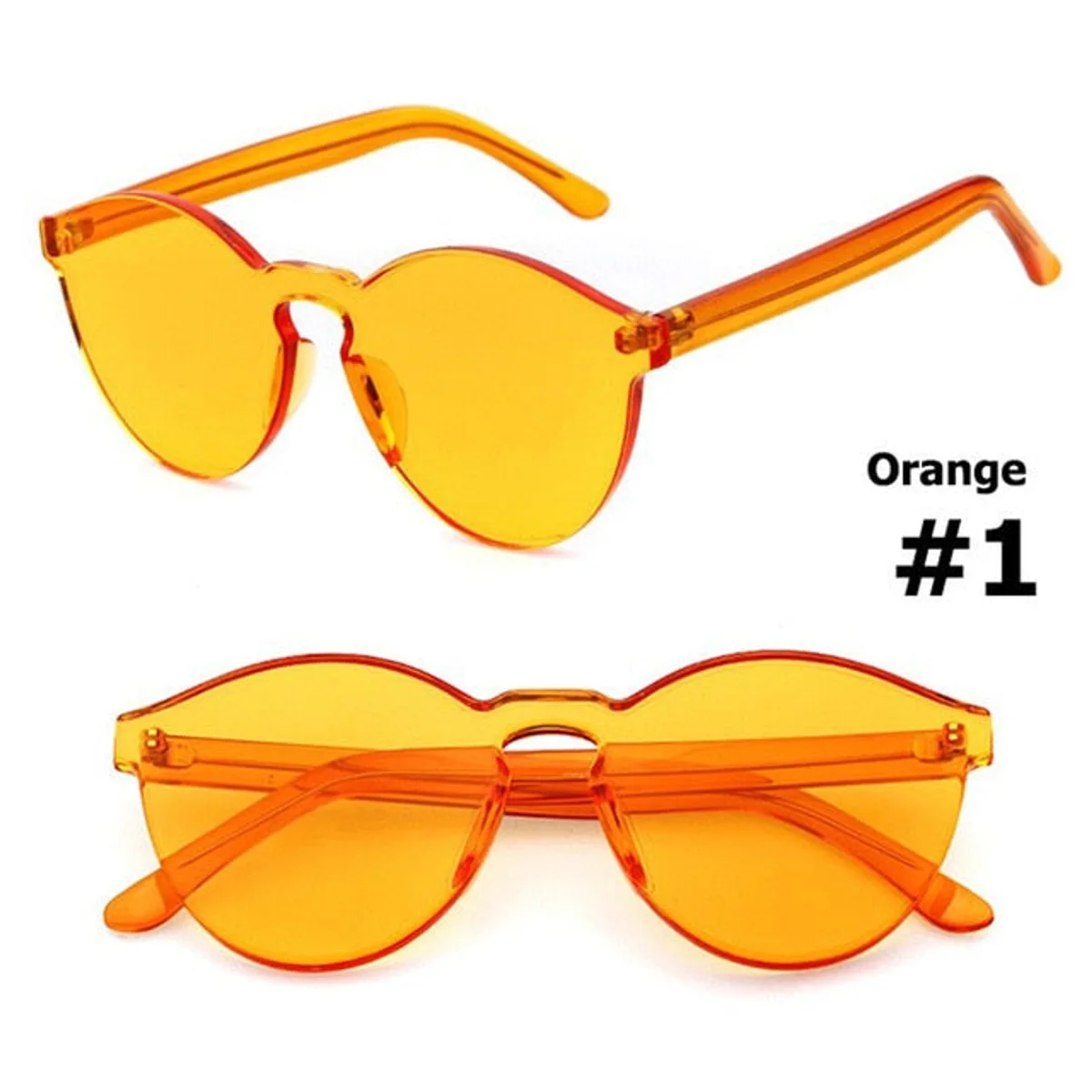 Made in the USA
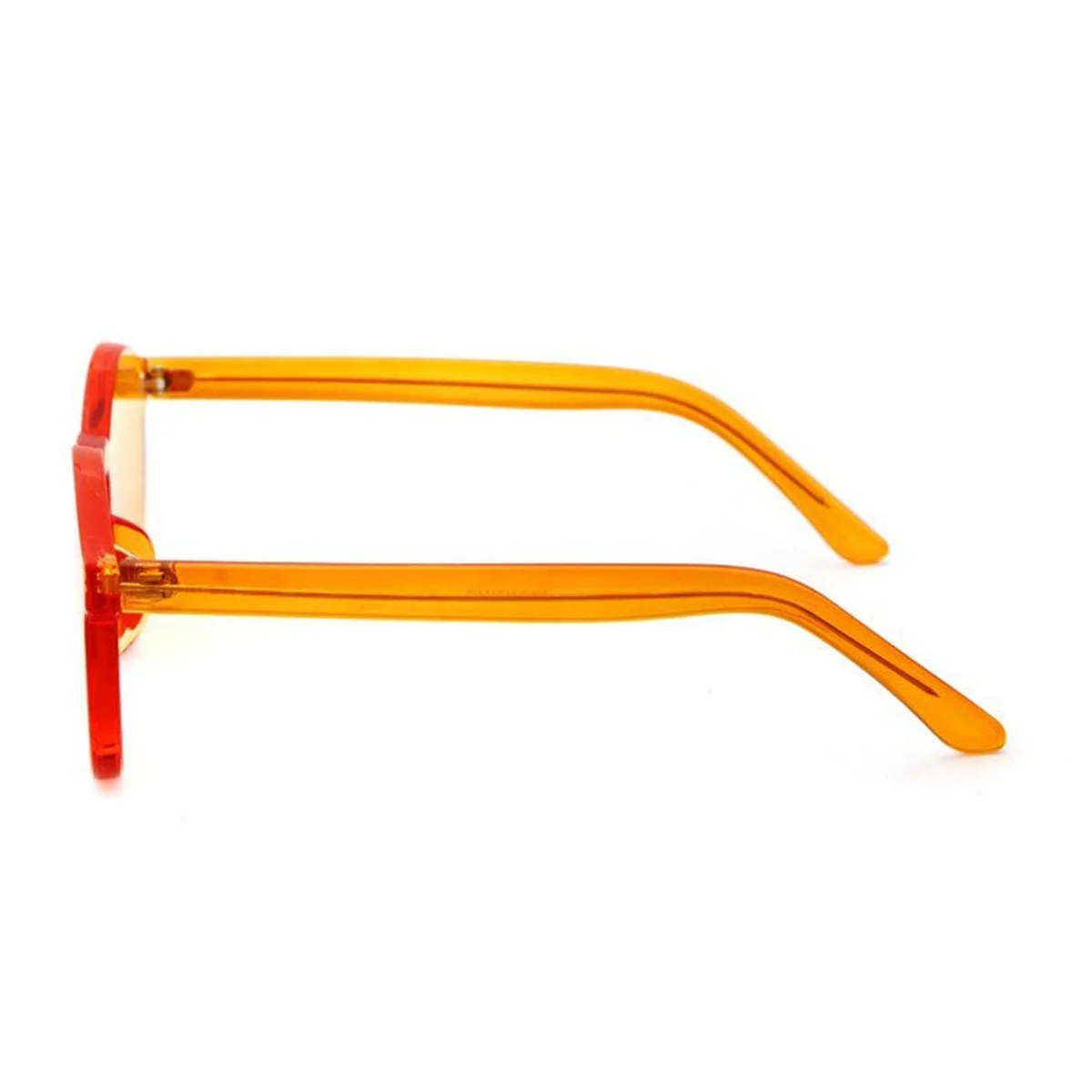
 Made in the USA

 Made in the USA
 Made in the USA

 Made in the USA
 Made in the USA
Other lens materials
Clasp & Lens describes materials from the public record and does not appraise, grade or test pieces; what a listing states is the supplier's statement. If a piece causes a rash, take it off; a reaction that spreads or blisters is a doctor's question, and sunglasses are no substitute for impact-rated eye protection where that is required.