
Birthstones / April
April: Diamond, Lab-grown diamond
Traditional: Diamond · Colorless; also yellow, brown, pink, blue · Mohs 10
What it is
Crystalline carbon, the hardest natural material. Graded by carat, cut, color and clarity. Since 2018 the FTC accepts lab-grown diamond as diamond when labelled as lab-grown; the two are the same material and are told apart by laboratory instruments, not by eye. White sapphire, moissanite and cubic zirconia are the common look-alikes and must be named as such.
In the glossary: Diamond, Lab-grown diamond.
Care
Soap, water and a toothbrush behind the stone; ultrasonic cleaners are fine. Diamond scratches everything else in the box, so store it alone.
Before you buy
For a birthstone piece a small, well-cut stone with a grading report (GIA, IGI) is the honest buy; lab-grown gives a larger stone for the same money. Ask which it is and expect the listing to say.
April pieces on the site
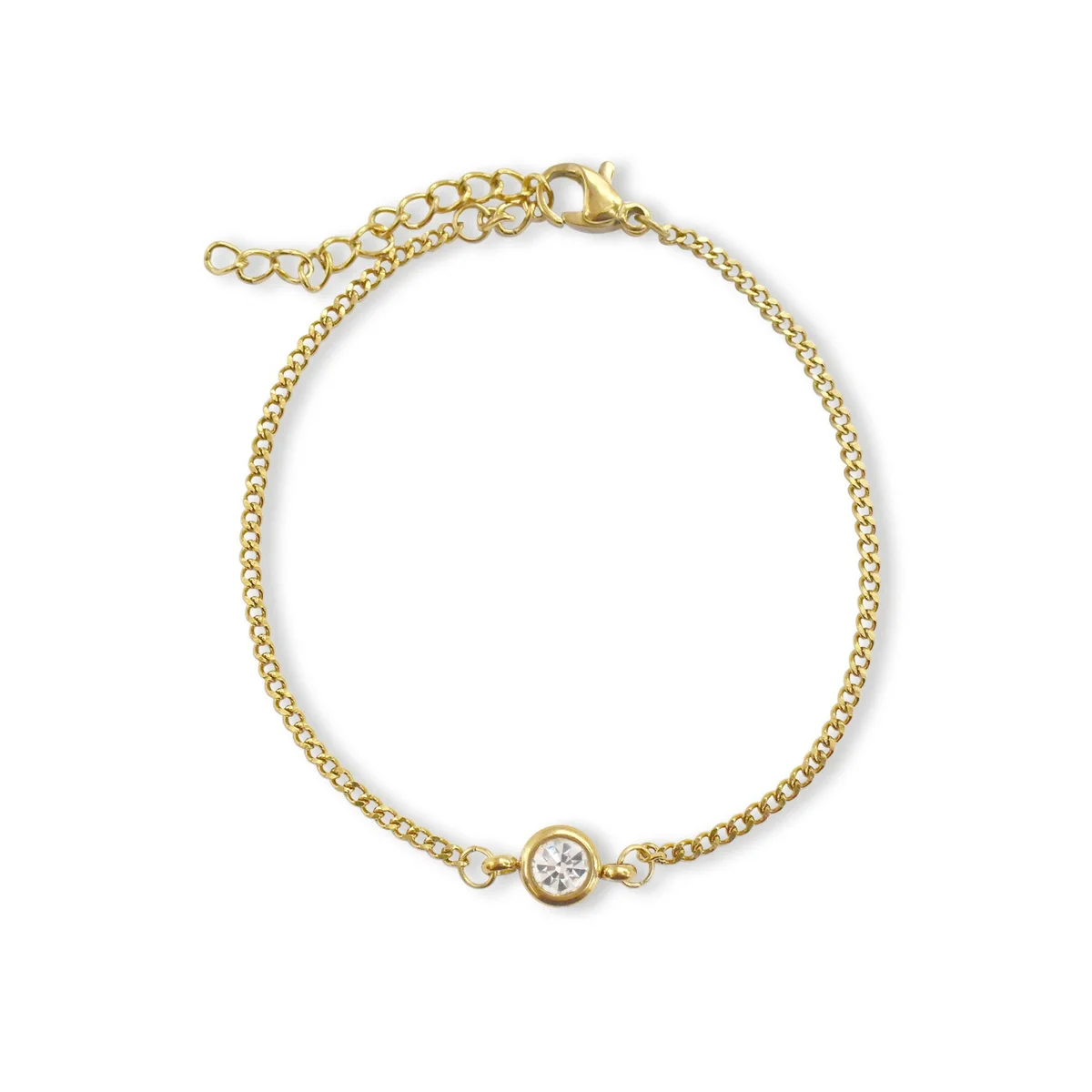
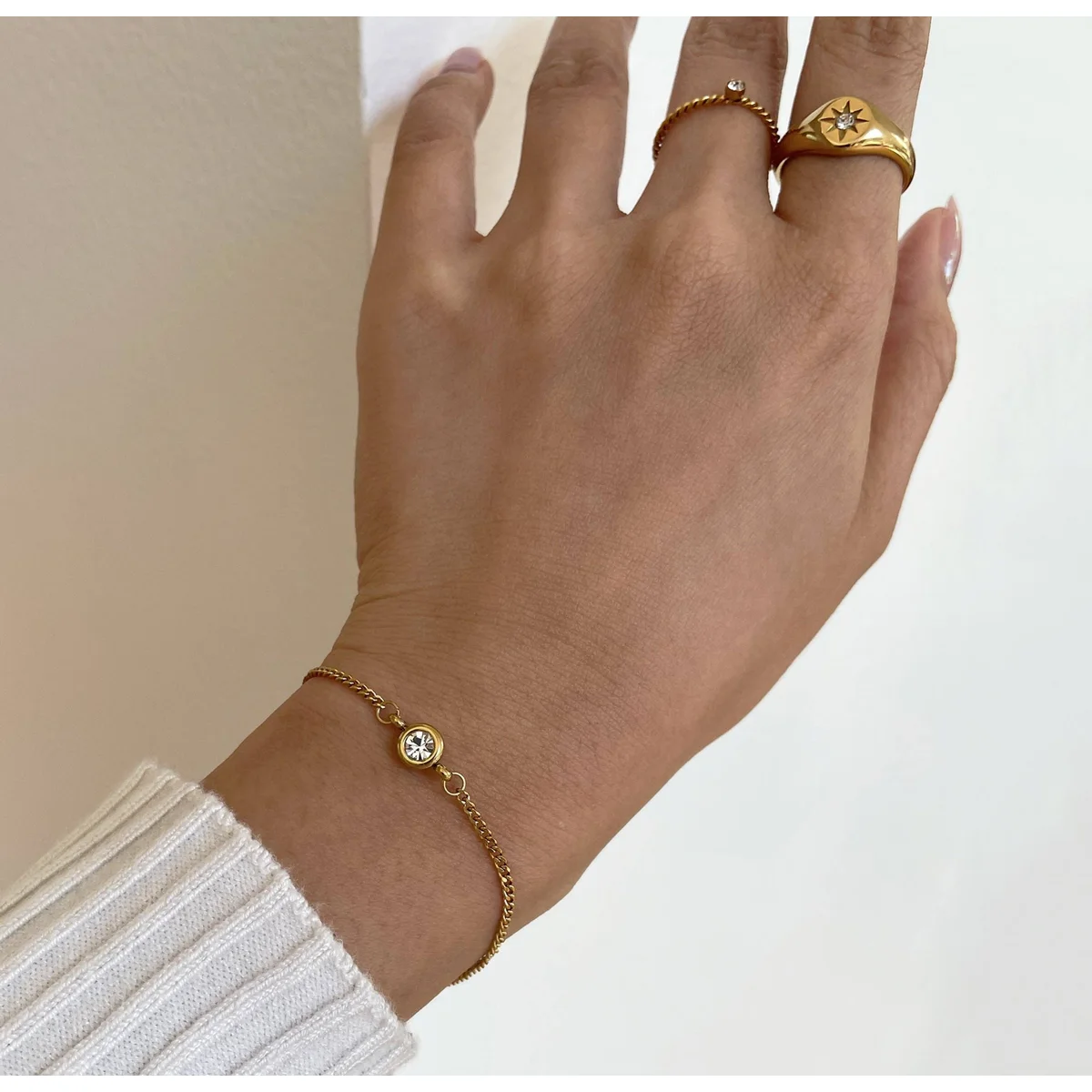
All birthstone pieces →Listings that name the month or its stone; whether the stone is natural, lab-grown or simulated is on each product page as the maker states it.
Sources: Jewelers of America modern birthstone list; GIA gem encyclopedia; FTC Jewelry Guides on treatment and lab-growth disclosure. Clasp & Lens does not appraise or grade stones; what a listing says is the supplier's statement.